




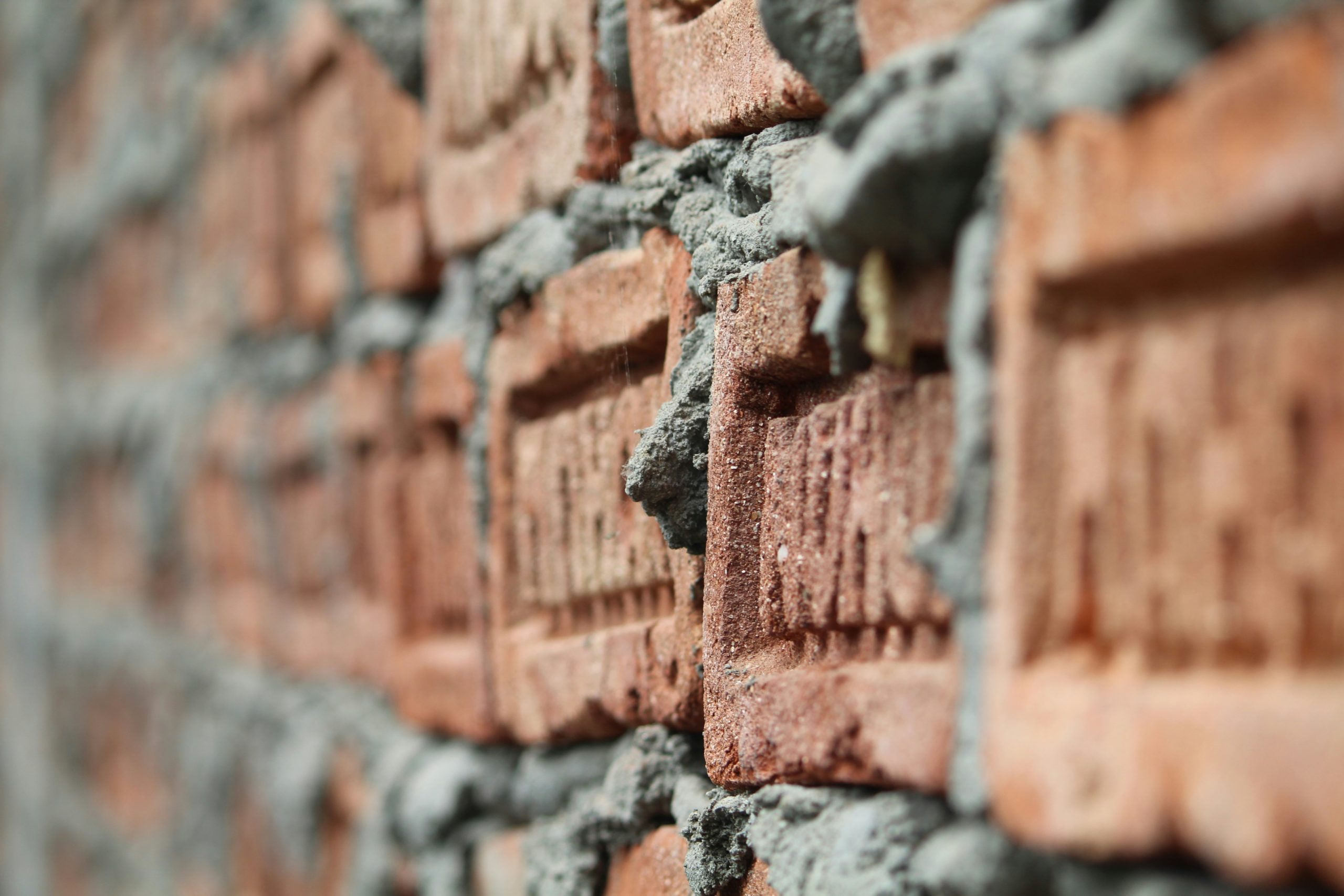
Building sand is one of the most commonly used materials in construction, but it’s also one of the most misunderstood. Often confused with sharp sand or other coarse sands, builder sand has specific properties that make it suitable for certain jobs, and unsuitable for others.
In this guide, we’ll explain what building sand is, what it’s used for, and answer some of the most common questions around mortar, bags vs bulk, and alternative sands.
Approx reading time: 3 minutes
Main image: Khushbu Hirpara | Unsplash
What Is Building Sand?
Building sand is a fine, soft sand with small, rounded grains. Its texture makes it easy to work with, especially when mixing mortar or laying bricks and blocks.
It’s typically sourced from pits or quarries and may vary slightly in colour depending on where it comes from, but its consistency and grading are what define it.
What Is Building Sand Used For?
Building sand is primarily used in construction where workability is more important than structural strength.
Common uses include:
- Mixing mortar for bricklaying and blockwork
- Laying bricks and blocks
- General building and repair work
Because of its fine texture, building sand creates a smooth, workable mortar that’s easy to spread and shape.

GOWTHAM AGM | UNSPLASH
Is Building Sand Best for Mortar?
In most cases, yes — it is the preferred choice for mortar used in bricklaying and blockwork.
Its fine grains allow it to bind well with cement and water, producing a mortar that:
- Is easy to apply
- Adheres well to bricks and blocks
- Provides a neat finish
For standard bricklaying, it is usually mixed with cement (and sometimes lime) to create a general-purpose mortar.
For jobs that require higher strength or load-bearing performance, other sands may be more suitable.
Can You Use Sharp Sand Instead of Building Sand?
Sharp sand can be used in some mortar mixes, but it behaves very differently to building sand.
Sharp sand has coarse, angular grains that create a stronger but less workable mix. This can make it harder to use for bricklaying and can result in a rougher finish.
In general:
- Building sand = better workability and finish
- Sharp sand = more strength, less flexibility
For most bricklaying and general building work, building sand is the better option.
Building Sand vs Sharp Sand
Although both are used in construction, building sand and sharp sand serve different purposes.
Building sand:
- Fine, soft texture
- Ideal for mortar
- Easier to work with
Sharp sand:
- Coarse, gritty texture
- Used for laying a patio, concrete, and screeds
- Better for drainage and strength
Choosing the right sand depends on the job you’re doing — using the wrong type can affect both strength and finish.
For jobs where sharp sand is the better option, especially for a bulk project, you can buy a sharp sand bulk bag here.
Small Bags of Building Sand vs Bulk Bags
Building sand is commonly supplied in either small bags or bulk bags, depending on project size.
Bagged building sand:
- Ideal for small jobs and DIY projects
- Easier to store and transport
- Less waste for minor work
Bulk bag building sand:
- Better value for larger projects
- Suitable for bricklaying, extensions, or multiple jobs
- Reduces the need for multiple deliveries
Choosing between bags and bulk usually comes down to how much sand you need and the scale of your project.
How Much Building Sand Do You Need?
The amount of builder sand required depends on:
- The size of the job
- The type of mortar being mixed
- Brick or block size
If you’re unsure how much sand and cement you’ll need, our friendly staff are on hand to help with your project and work out what you need.
As a rough guide, larger projects such as brick walls or extensions are better suited to bulk bags, while small repairs can usually be completed with a few individual bags.

MUGABI OWEN | UNSPLASH
Common Mistakes When Using Building Sand
Some common issues arise when builder sand is used incorrectly:
- Using builder sand where sharp sand is required
- Mixing incorrect mortar ratios
- Using wet or contaminated sand
- Assuming all sands are interchangeable
Understanding the purpose of each sand type helps avoid these problems and improves the longevity of the finished work.
Choosing the Right Sand for Your Project
Builder sand is typically used for mortar and general construction work, but it isn’t suitable for every job. For paving, drainage, or load bearing applications, a different sand type may be more appropriate.