




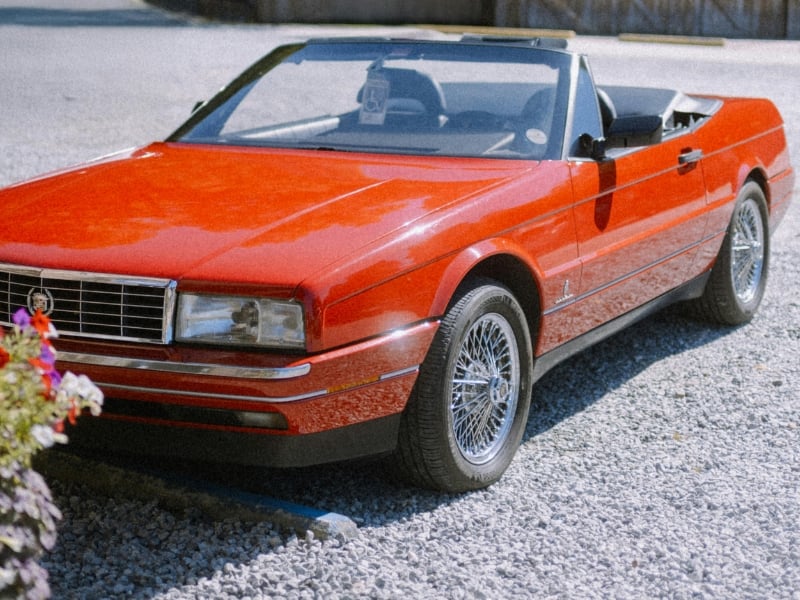
Choosing the right gravel affects how your driveway looks, how well it performs, and how long it lasts.
With so many options available, it is important to pick gravel that can handle regular use, the weight of vehicles, and stay stable over time.
In this guide, we chat about the most popular choices, including 20mm gravel, pea gravel, pea shingle, and golden gravel.
We also touch base on how to reduce the risk of movement, prevent weed growth, and ongoing maintenance issues.
Approx reading time: 3 minutes
Photo by Tolga Ahmetler on Pexels
What Is Driveway Gravel?
When people talk about driveway gravel, they mean gravel that works well under vehicles.
Compared to garden gravel, it needs to stay stable and drain well. It must resist shifting when vehicles drive over it.
Gravel size matters. Smaller stones like 10mm gravel, move more easily. Larger stones, like 20mm gravel, create a stronger, more stable surface.
Types of Gravel for Driveways
Golden Gravel
Golden gravel is known for its warm, attractive colour. It is often used for decorative areas but can also perform well on driveways.
To last, golden gravel should be laid over a strong base layer and contained with driveway edging. This keeps the surface tidy and prevents spreading.
20mm Gravel
20mm gravel is the most popular choice for driveways. The stones are large enough to stay in place, even under vehicles, while still providing a neat, decorative finish.
It works well across all driveway types, from family cars to heavier vehicles when laid over a solid base layer. Using a gravel grid can further improve stability and reduce the risk of stones moving.
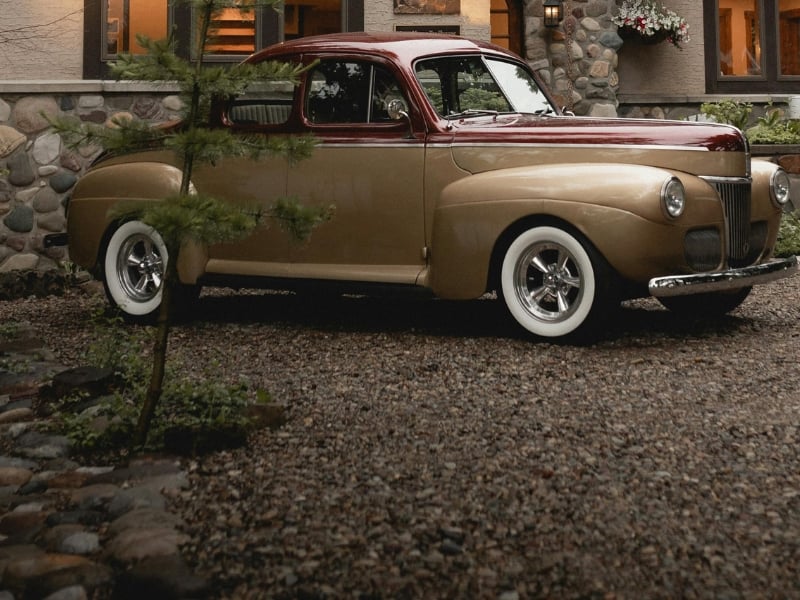
PHOTO BY JAIME REIMER | PEXELS
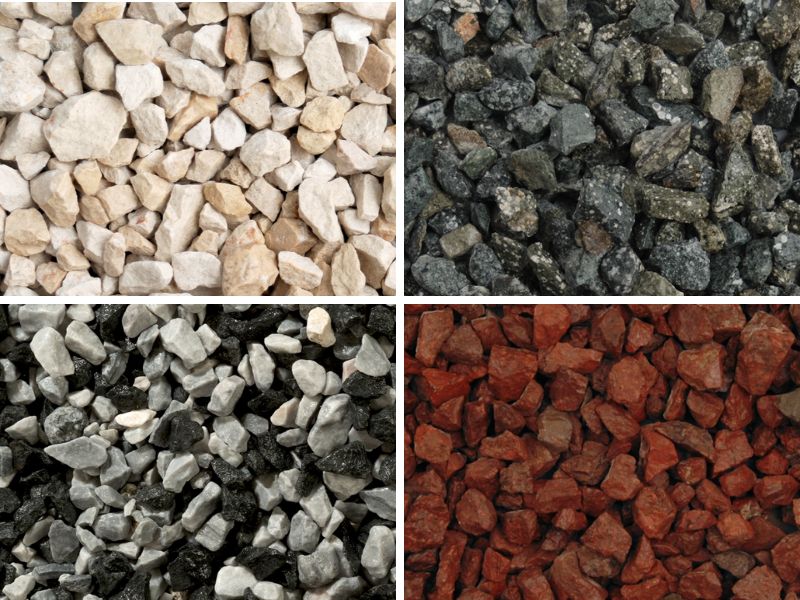
Our most popular decorative gravels for driveways:
Cotswold Gravel (top left), Green Granite (top right), Black Ice Gravel (bottom left) and Red Granite (bottom right).
PHOTOS BY LONG RAKE SPAR
Decorative Gravel
Decorative gravel covers a wide range of colours, shapes, and finishes. It is ideal if you want a driveway that looks stylish while still performing well.
Decorative gravel works best when combined with a solid base and, for smaller or rounded stones, a gravel grid. This keeps the stones in place and reduces ongoing maintenance.
Pea Gravel and Pea Shingle
Pea gravel, also called pea shingle, has smooth, rounded stones. People often use it as garden gravel or for landscaping.
You can use it on driveways with light vehicle use, but the stones can move more easily and likely to get caught in tyre treads.
We recommend using 10mm pea gravel as a top layer only or installing it with a gravel grid. This keeps the stones in place and maintains a neat, decorative finish.
Choosing Gravel Based on Vehicle Use
The weight of vehicles on your driveway should guide your gravel choice.
Family cars put less pressure on the surface than vans, caravans, or regular delivery vehicles.
For heavier vehicles, use a heavy duty installation with a well-compacted base layer and a gravel grid. This helps the driveway last longer and stay level.
Gravel Grids: Keeping Gravel in Place
Gravel grids lock stones in position while still letting water drain naturally.
They are especially useful for driveways with heavier vehicles or decorative gravel like pea gravel.
Using a gravel grid reduces movement and helps maintain an even, tidy surface over time.
Weed Control and Driveway Edging
Preventing Weed Growth
Weed growth starts below the surface.
A quality weed membrane under the base layer stops weeds from growing through while still letting water drain.
Regular maintenance, like clearing leaves and debris, further reduces the risk of weeds.
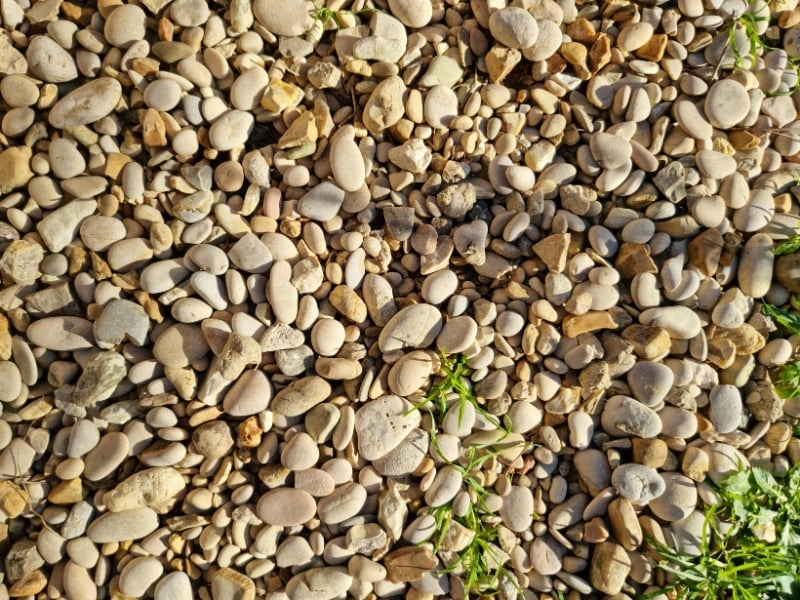
PHOTO BY KAMAL JASSAL | PEXELS
Driveway Edging
Edging keeps gravel contained and stops stones from spreading onto paths or lawns.
It also supports weed control and helps the driveway stay neat and tidy.
Laying a Gravel Driveway
- Excavate the area and prepare a solid base layer.
- Lay a weed membrane to prevent weed growth.
- Install a gravel grid if needed.
- Add your gravel, ideally 20mm gravel, to the correct depth.
Proper preparation reduces movement and keeps the surface level.
Buying Gravel: Bulk Bags vs Small Bags
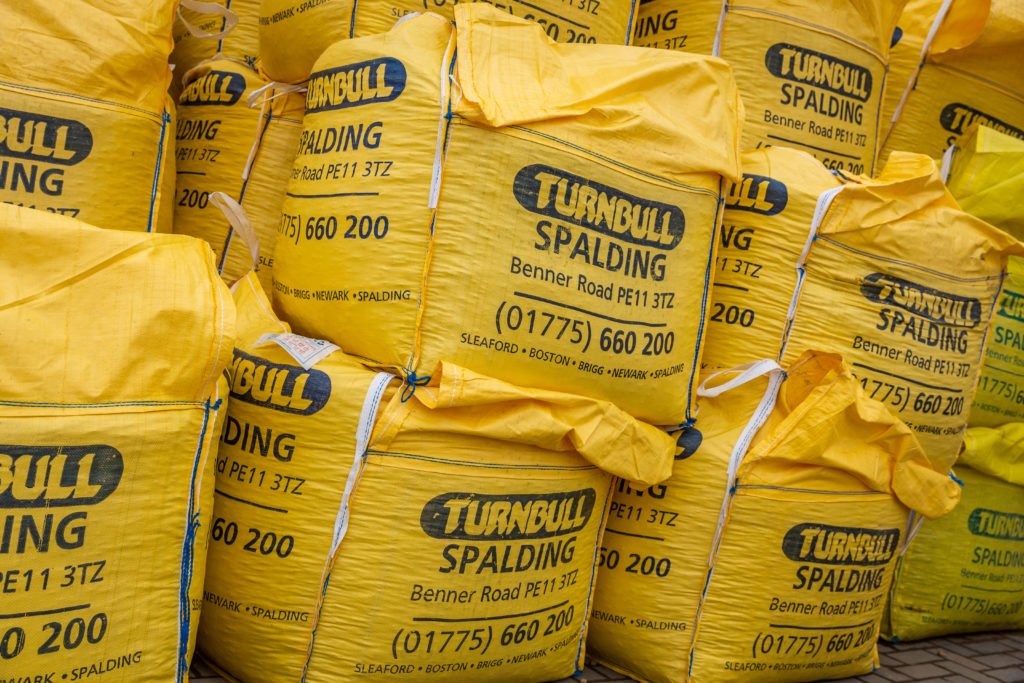
A typical 850kg gravel bulk bag offers approximately 10m2 coverage at a laying depth of 50mm and is the most practical choice for most driveway projects.
A driveway gravel bulk bag gives consistent coverage across the entire surface. Its more cost effective than using many small bags and makes larger projects easier to manage.
Decorative gravel is available in both bulk bags for large areas, and handy 20kg bags for smaller areas or top ups. Each 20kg bag covers around 0.2m2 based on a laying depth of 50mm.
Final Thoughts
The right gravel depends on how you use your driveway, the weight of vehicles, and how much maintenance you want.
Garden gravel and smaller sizes work well for decorative areas. Driveways perform best with larger, more stable stones.
Using 20mm gravel, a strong base layer, and a stabilising gravel grid reduces movement and weed growth.
This prevents long term issues and creates a driveway that looks good and works well for years.