




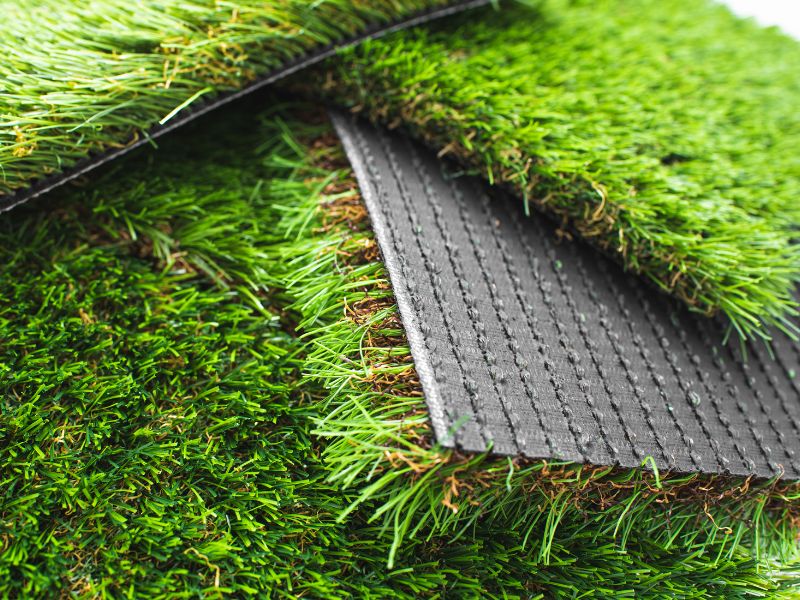
Choosing the right base material for fake grass is one of the most important steps when laying artificial surfaces. What goes beneath your artificial lawn affects how flat it looks, how well it drains, and how long it lasts.
In this guide, we explain why granite dust (grano dust) is often the better option over sharp sand when laying artificial grass, and how to avoid common installation mistakes.
Approx reading time: 3 minutes
What Is the Best Base for Artificial Grass?
Although sharp sand has long been used beneath artificial grass, many professional installers now prefer granite dust due to its superior compaction and long-term stability.
Granite dust is a finely crushed aggregate that compacts tightly, forming a strong, smooth base that helps fake grass stay level and secure over time.
If your preferred base material is sharp sand and you need a sharp sand bulk bag, you can purchase one here.
Sharp Sand vs Granite Dust for Laying Artificial Grass
Both materials are used when laying artificial surfaces, but they behave very differently once compacted.
Sharp sand:
- Drains well
- Easy to level
- Can shift under regular use
- More likely to develop dips over time
Granite dust:
- Compacts extremely firmly
- Holds levels for longer
- Creates a smooth, solid finish
- Helps prevent water pooling when installed correctly
For gardens with children, pets, or frequent foot traffic, granite dust offers a more durable solution beneath the grass.
Can You Use Building Sand Under Fake Grass?
Building sand is not suitable for fake grass installations.
Because it is soft and fine, it struggles to compact properly, which often leads to:
- Movement beneath the surface
- Poor drainage
- Visible unevenness
- Early failure of the artificial grass
Using granite dust instead reduces these risks and creates a more professional result.
Base Depth When Installing Artificial Grass
Correct base depth is essential when installing artificial grass, particularly if you want a long-lasting, professional finish.
For best results, industry-recommended installation methods (such as those used by Namgrass) specify a two-layer base system:
- 50–75mm of MOT Type 1 limestone, compacted thoroughly to form a strong, free-draining sub-base
- Around 20mm of fine Type 1 granite dust (grano dust), compacted and levelled to create a smooth laying course
This combination provides excellent load-bearing strength while allowing precise levelling before the artificial grass is installed.
Granite dust should be laid in thin layers, lightly dampened if required, and compacted evenly to prevent future settlement or surface movement.
Do You Need a Sub-Base Beneath Artificial Grass?
Yes, granite dust performs best when laid over a solid sub-base such as MOT Type 1.
A typical structure is:
- Compacted MOT Type 1 sub-base
- Granite dust laying course
- Artificial grass
This layered system improves load-bearing capacity and helps prevent water from sitting beneath the surface.
Does Granite Dust Affect Drainage?
Granite dust allows water to pass through, but correct installation is key.
To prevent water issues:
- Maintain a slight fall away from buildings
- Avoid over-compacting one area more than another
- Ensure the sub-base drains properly
When installed correctly, granite dust supports drainage while providing a stable base for fake grass.
Adding Sand and the Final Finishing Touch
Once the grass is laid, adding kiln dried sand infill to the pile helps weigh it down and improve appearance. This is often brushed in using a stiff brush to lift the fibres and distribute the sand evenly.
This step is the final finishing touch and should not be confused with the base layer beneath the grass. If you are a pet owner, we suggest not infilling with sand to ensure your grass stays fresher for longer.
Common Pitfalls and Installation Mistakes
Many issues with artificial grass come from avoidable errors during installation.
Common mistakes include:
- Using building sand instead of granite dust or sharp sand
- Skipping the sub-base
- Uneven compaction
- Incorrect base depths
These installation mistakes can cause movement, drainage problems, and an uneven surface.
Choosing the Right Base for Artificial Grass
While sharp sand is still used in some installations and still a solid option, granite dust is often the superior choice for fake grass. Its strength, stability, and resistance to movement make it ideal for modern artificial lawn projects.
Choosing the right materials from the start helps prevent water issues, reduces maintenance, and delivers a flatter, longer-lasting finish.