




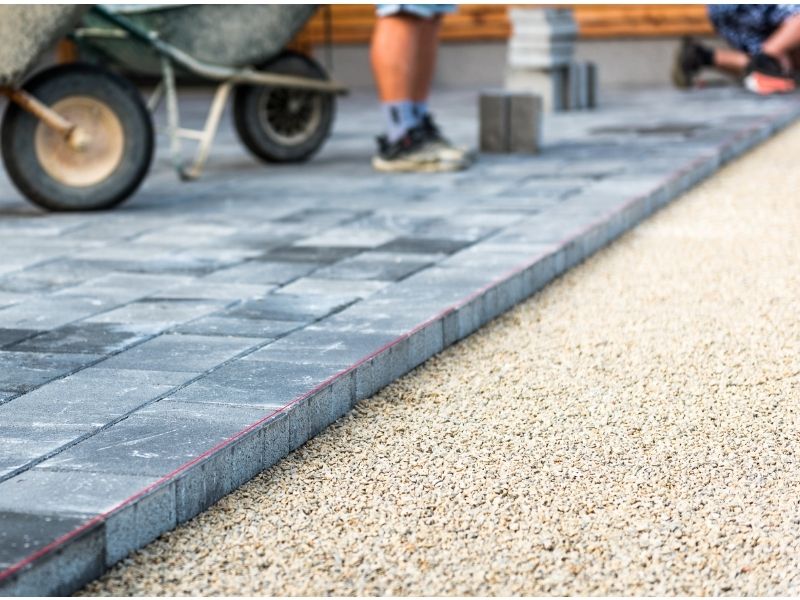
In this guide, we’ll explain what sharp sand and grit sand are, whether they’re actually the same, and when you should (and shouldn’t) use them.
Approx reading time: 2.5 minutes
What Is Sharp Sand?
Sharp sand is a coarse sand made up of large, angular grains. These sharp edges allow the grains to lock together, creating strength and stability when compacted.
Because of this, its commonly used in applications where load-bearing performance or drainage is important.
What Is Grit Sand?
Grit sand is generally another name for sharp sand. In most building and landscaping contexts, the two terms describe sand with the same coarse, angular particles and performance characteristics.
Some suppliers may use the term “grit sand”, but in practical terms the difference is usually minimal.
Is Sharp Sand the Same as Grit Sand?
In most cases, yes — sharp sand and grit sand are the same material.
Sharp sand and grit sand are two terms that are often used interchangeably, which can make choosing the right sand confusing. In many cases, they refer to the same type of sand, but the name used can depend on region, supplier, or application.
Both have:
- Coarse, gritty texture
- Angular grains
- Good drainage properties
- High strength when compacted
Any differences are typically down to grading or supplier naming rather than function.
For most projects, sharp sand and grit sand can be used interchangeably.
What Is Sharp Sand Used For?
It is best suited to jobs that require strength, stability, and drainage.
Common uses include:
- Laying paving slabs
- Mixing concrete
- Screeds and floor bases
- Improving lawn and soil drainage
- Base layers for artificial grass
Because it compacts well, sharp sand provides a stable base for many outdoor and structural projects.
If your project calls for sharp sand and you want to purchase a bulk bag of it, check out our sharp sand bulk bag product page.
Can You Use Sharp Sand for Mortar?
It can be used in certain mortar mixes, but it is not usually the best choice for standard bricklaying.
Due to its coarse texture, sharp sand creates a mortar that is:
- Harder to work with
- Less smooth
- More difficult to achieve a neat finish
For most bricklaying and blockwork, building sand is the preferred option.
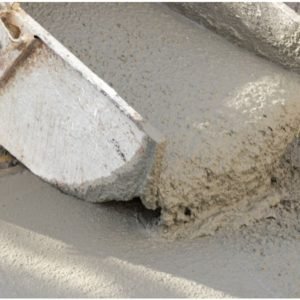
Sharp Sand vs Building Sand
Understanding the difference between these two sands helps ensure the right choice for your project.
Sharp sand:
- Coarse and gritty
- High strength and drainage
- Best for paving, concrete, and bases
Building sand:
- Fine and soft
- Easier to work with
- Best for mortar and bricklaying
Using the correct sand improves both the performance and appearance of the finished job.
Is It Good for Drainage?
Yes, this is commonly used to improve drainage in lawns and soil.
Its coarse structure allows water to pass through more freely than finer sands, helping reduce waterlogging when used correctly.
However, it should be mixed properly with existing soil rather than applied in thick layers.
Can Sharp Sand Be Used for Artificial Grass?
This is often used as part of the base for artificial grass installations, however, there is still some debate as to whether this is best practise.
Some installers and suppliers recommend alternatives such as granite dust, depending on the specification.

Common Mistakes When Using Sharp Sand
- Using coarse sand instead of building sand for bricklaying
- Assuming all coarse sands are different materials
- Failing to compact the sand properly
- Using coarse sand where a finer finish is required
Understanding the purpose of sharp sand helps avoid these issues.
Choosing Between Sharp Sand and Grit Sand
If you see sharp sand and grit sand listed separately, it’s worth checking the grading or supplier description. In most cases, they perform the same role and can be used interchangeably.
If in doubt, focus on grain size and application, not just the name.