




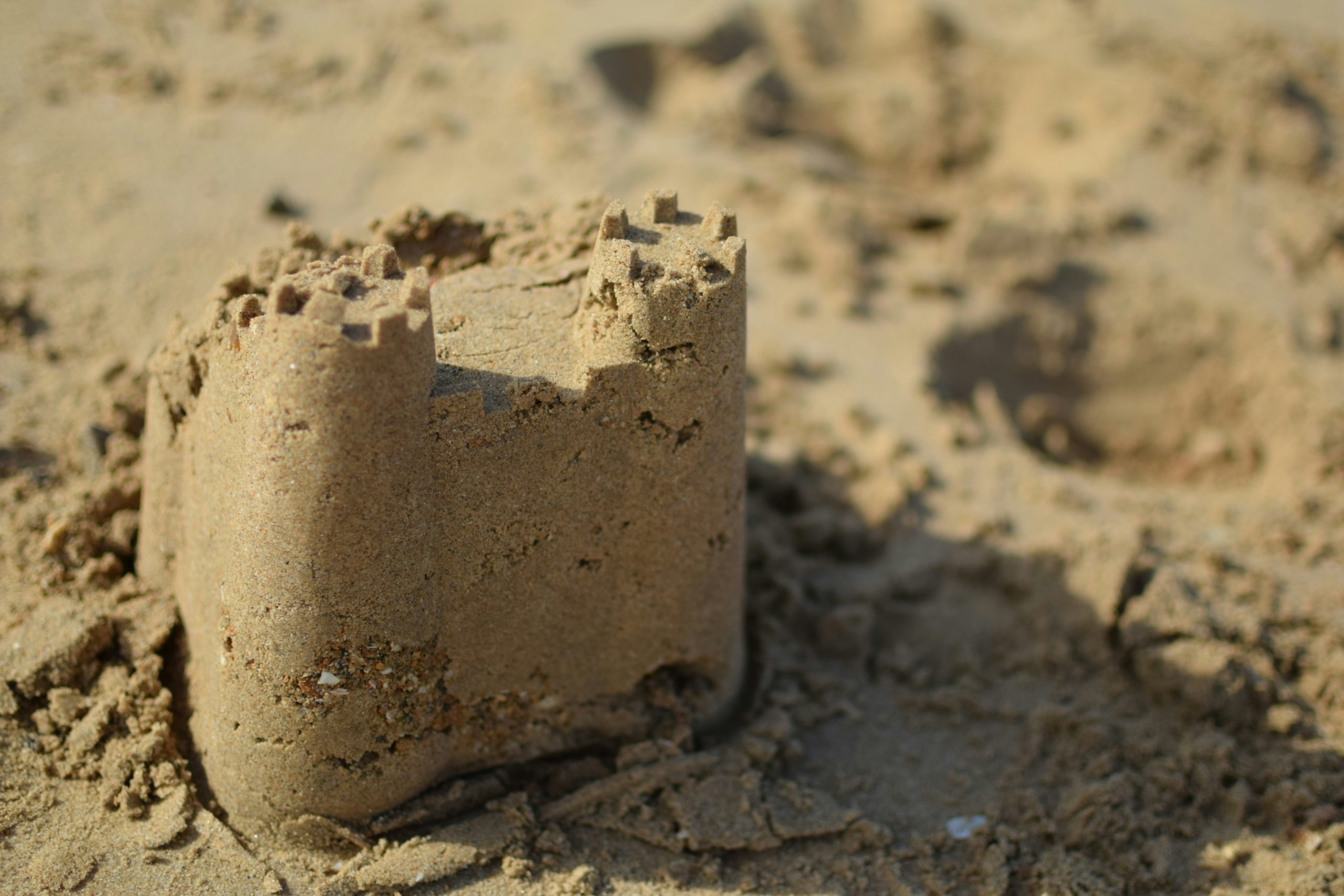
Sand is one of the most widely used materials in construction, landscaping, and play areas, but not all sand is the same. From bricklaying and paving to drainage improvements and children’s play areas, different projects require different types of sand.
In this guide, we break down the main types of sand, their uses, and help you choose the right option for your project.
Whether you need paving sand or construction sand, we explain which is ideal for each task.
Approx reading time: 4 minutes
Main image: Aaron | Unsplash
Building Sand
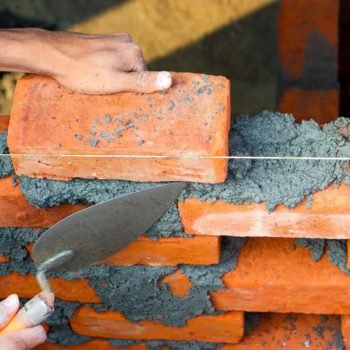
Building sand, also called builder sand or construction sand, is one of the most widely used sands in construction. Its fine grains, typically 1.5mm–2.0mm, make it easy to mix with cement to create smooth, strong mortar.
Its texture allows for precise spreading, helping you achieve a neat, professional finish on walls and brickwork. We provide building sand in 20kg bags for small jobs or in bulk for larger construction projects.
Typical applications:
- Mixing mortar for bricklaying and blockwork
- Laying bricks and blocks in residential or commercial construction
- General building and repair work
GOWTHAM AGM | PEXELS
Sharp Sand / Grit Sand
Sharp sand, sometimes called grit sand or river sand, has a coarser texture than building sand. Its angular grains interlock well, making it ideal for structural, load-bearing applications.
Grain sizes range from 0.5mm to 5mm, depending on the project.
Use sharp sand where stability and reliable drainage is key.
If you’re planning a project and need to buy sharp sand in a bulk bag, see our product page for more information.
Common uses:
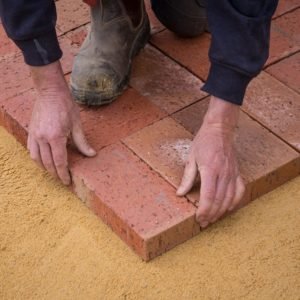
- Laying paving slabs and patios
- Block paving and jointing
- Screeds and concrete mixes
- Improving drainage in soil
Related: Sharp Sand vs Grit Sand: Uses, Differences and Common Questions
Plastering Sand
Plastering sand is a fine, clean sand with grains typically ranging from 0.06mm to 2mm, specifically designed for plastering and rendering.
It comes in fine, medium, and coarse gradings, each suited to particular tasks: fine for finishing, medium for general work, and coarse for rendering.
Its smooth texture makes it easy to mix and apply, helping you achieve a professional, long-lasting finish. While not every plastering job requires specialist sand, using plastering sand ensures a high-quality result.
Common uses:
- Internal plastering
- Wall and ceiling rendering
- Decorative plaster finishes
Kiln Dried Sand
Kiln dried sand is dried in a kiln to remove moisture, producing a free-flowing, consistent sand ideal for precision work. It is most commonly used as paving sand for block paving jointing, where dry sand is essential for stability and a neat finish.
Common uses:
- Block paving jointing
- Decorative paving projects
Sand for Paving & Slabs
Installing paving slabs often requires multiple sands. The sand for laying slabs is different from the sand used for jointing or pointing. Choosing the wrong sand can lead to movement, cracking, or poor drainage over time.
Common applications:
- Laying paving slabs
- Pointing and jointing
- Block paving installations
LITTLEHAMPTON BRICKS | UNSPLASH
Sand for Artificial Grass
Artificial grass requires a stable, well-draining base. Using the correct sand improves ground levelling, compaction, and the lifespan of the surface. There’s still some debate among installers whether grano dust or sharp sand is best. For long lasting stability, granite dust can be pricier, but worth it in the long run.
Common uses:
- Base layers for artificial grass
- Ground preparation and levelling
Sand for Drainage & Lawns
Sand is commonly used to improve drainage in gardens and lawns, especially in heavy clay soils. Using the right sand for landscaping helps water drain freely and improves soil structure.
Common uses:
- Lawn drainage improvement
- Soil conditioning
- Landscaping projects
Play Sand
Play sand is a fine, washed sand designed specifically for children’s play areas. It undergoes careful cleaning to remove dust, sharp fragments, and impurities, ensuring it is safe and comfortable for kids to play in. Always choose play sand for children — building sand should never be used in play areas, as impurities and sharp particles may remain.
Common uses:
- Sand pits and play areas
- Decorative, non-structural applications

ANATOL RURAC | UNSPLASH
Fill Sand
Fill sand is a coarse, loose sand that is unwashed and unscreened, making it less refined than building or plastering sands.
Common uses:
- Leveling soil before laying paving or turf
- Filling trenches and low spots in gardens or construction sites
Choosing the Right Type of Sand
Selecting the correct sand depends on project type, required strength, and use. A wide range of sands exists, from fine sand for plastering to coarse builder sand for structural work.
Using the right sand ensures durability, safety, and a professional finish.