




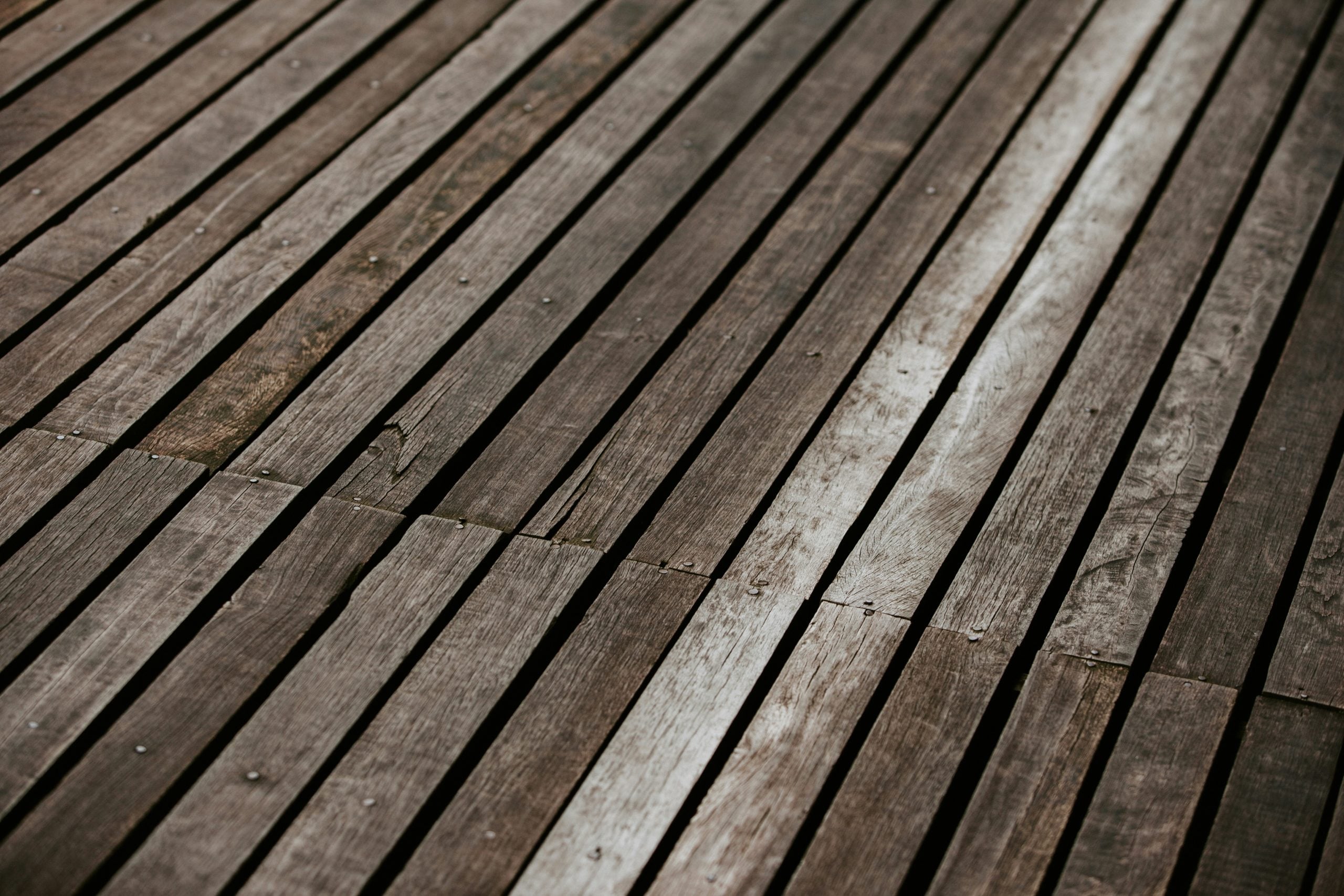
Looking for a cost effective option to revamp your garden?
Treated timber sleepers may be the answer.
Our comprehensive blog covers everything you need to know about this versatile timber, which can be used for a wide variety of projects; from garden edgings to raised sleeper beds.
Estimated reading time: 5 minutes
Photo by Lampos Aritonang on Unsplash
What is a Wooden Sleeper?
A wooden sleeper (or timber sleeper) is a heavy, rectangular block of wood traditionally used to support railway tracks. In modern landscaping, wooden sleepers serve as durable, versatile building blocks used to construct raised garden beds, retaining walls, steps, and lawn borders.
Their blocky, solid nature makes them ideal for stacking, cutting, and securing into various architectural features.
Unlike complex brickwork, timber blocks offer immense structural integrity with very little specialized masonry knowledge required, making them a popular choice for DIYers and professional landscapers alike.
Which Type of Wooden Sleeper Should You Choose?
Choosing the right material dictates how your project will look, how much effort it will take to build, and how long it will last. Here is a quick comparison at a glance:
- Treated Softwood Sleepers: Cost-effective, pressure-treated for rot resistance, and lightweight for easy DIY installation.
- Hardwood Oak Sleepers: Premium, dense, and naturally durable without chemical preservatives; ideal for long-lasting structural strength.
- Reclaimed Railway Sleepers: Highly rustic with historical character, but often contain creosote; best restricted to non-contact outdoor features rather than seating or vegetable patches.
Timber Sleepers
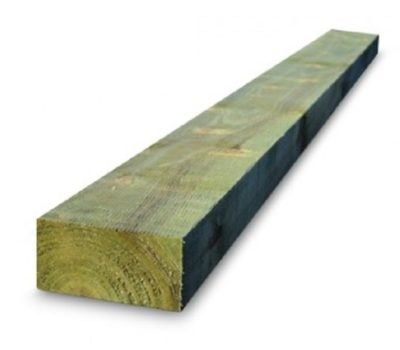
Modern garden sleepers are cut specifically for landscaping rather than train tracks. They feature straighter edges, lighter weights, and cleaner finishes. A dedicated garden sleeper is much easier to maneuver, lift, and cut, making it the preferred choice for enthusiasts looking to build a clean, contemporary garden with sleepers.
These are typically cut from sustainable softwood like pine or spruce and are universally accepted for any domestic project.
Oak Sleepers
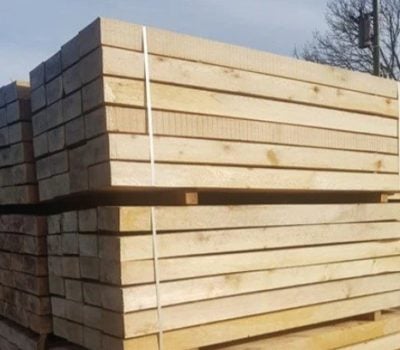
An oak sleeper represents the premium tier of landscaping timber. As a dense, good quality hardwood, it possesses natural resistance to decay and moisture without requiring any chemical preservatives. Over time, oak naturally weathers to a beautiful silvery-grey color while maintaining its incredible structural strength.
Because it is untreated hardwood, it is completely safe for all garden uses, though buyers must be prepared for its immense weight during transportation and installation.
Treated vs. Untreated Sleepers
Moisture and soil contact will eventually degrade any timber. Treated sleepers, particularly treated softwood sleepers, have been infused with preservatives under high pressure to resist rot, fungi, and wood-boring insects. This pressure treatment extends the lifespan of softwood significantly, serving as a cost effective option for large-scale landscaping.
Untreated timber is entirely natural and chemical-free, making it completely safe for organic vegetable growing, though it will break down faster unless it is a naturally durable hardwood.
Railway Sleepers
Traditional reclaimed railway sleepers bring authentic rustic character to a project. These versions often feature deep cracks, heavy weathering, and iron bolt holes from their past life on the tracks.
Buyers should note that genuine reclaimed track timbers were historically treated with creosote, meaning they should not be used in places where people will frequently sit on them or around edible vegetable patches.
How Long and Heavy Are Garden Sleepers?
Sleeper Type
Softwood Sleepers
Hardwood (Oak) Sleepers
Standard Length
2.4m (8ft) or 1.2m (4ft)
2.4m (8ft)
Standard Profile (Dimensions)
100mm x 20mm (4″ x 8″)
100mm x 200mm or 125mm x 250mm
Average Weight
20kg-30kg
45kg-60kg
What Are the Best Creative Ideas for Garden Sleepers?
There is no shortage of brilliant garden sleeper ideas to elevate your outdoor space. Finding the right ideas for sleepers in the garden depends entirely on your terrain, your planting goals, and your overall garden design.
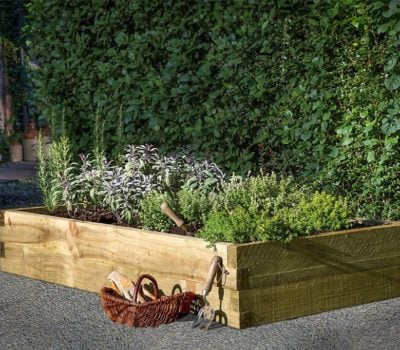
Raised sleeper garden beds
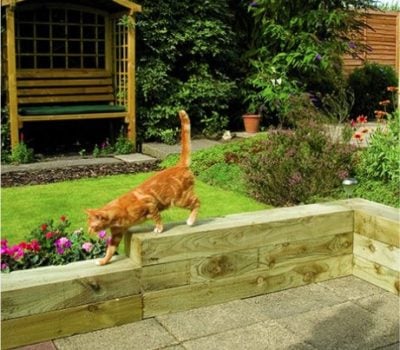
Constructing raised sleeper garden beds provides deep, loose soil for vegetables and flowers to thrive away from ground-level pests and poor drainage. The thick timber creates a wide rim that often doubles as a comfortable seat while you weed or harvest.
When creating raised beds, always overlap the corners like brickwork and secure them tightly with heavy-duty timber screws to prevent the weight of wet soil from pushing the walls outward. These serve as far sturdier alternatives to thin timber boards when building raised garden beds.
Creating Paths with Railway Sleeper Steps
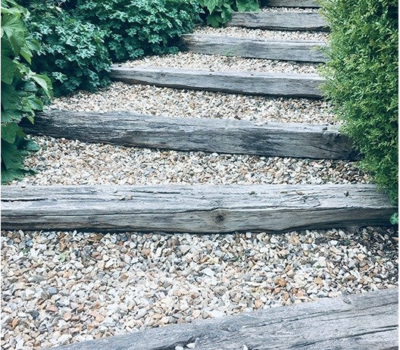
Navigating a sloped property becomes much easier by installing railway sleeper steps. Sinking timber into the earth and backfilling the tread behind it with gravel or bark creates a rustic, slip-resistant garden step sequence that blends seamlessly into the surrounding greenery.
The heavy wood acts as a perfect retaining edge for the step above it, preventing soil erosion during heavy rains.
Decorative Features: Edging and Borders
Laying down a railway sleeper border establishes a sharp, definitive line between your manicured lawn and your planting beds. Using timber sleepers as edging keeps mulch from spilling over onto the grass and provides a low barrier that structures the entire sleepers garden aesthetic.
You can lay them flat for a low-profile look or bury them vertically on end to create undulating, curved retaining walls that follow the natural contours of your yard.
What Are the Main Benefits of Timber Sleepers?
- They provide immediate structural support for retaining walls and heavy earthworks without the need for mixing mortar.
- They blend naturally into outdoor environments rather than looking manufactured or overly sterile.
- They offer an environmentally friendly alternative to pouring concrete, locking away carbon for decades.
- They can be stacked and secured with basic tools, making them highly accessible for weekend DIY projects.
- They age gracefully and develop unique character and grain patterns as they weather in the elements over time.
How Can You Make Garden Sleepers Last Longer?
Getting the longest possible lifespan out of your timber requires a bit of seasonal upkeep, especially if your landscaping features are exposed to constant ground moisture or shaded, damp corners of the yard.
Cleaning and Treatment
Sweep away damp leaves and debris that accumulate in the corners of your beds or steps to prevent trapped moisture. A stiff wire brush can help clear off any surface algae that makes pathways slippery in the winter. To maximize longevity, you should treat sleepers every couple of years with a brush-on wood preservative or exterior wood oil.
💡Top Tip: Apply your timber treatment during a dry, warm spell to ensure the wood absorbs the protective oils deeply, keeping the grain sealed against winter rains and frost.
How Can You Prevent Timber Sleepers from Rotting?
To maximize the lifespan of your garden sleepers and prevent timber rot, follow these key installation steps:
-
Install on a gravel base: Avoid placing timber directly on wet soil by setting sleepers on a bed of compacted gravel for adequate drainage.
-
Line raised beds: Place a damp-proof membrane along the inside face of raised sleeper beds to prevent constant wet soil contact.
-
Apply end-grain preservative: Treat all freshly cut ends immediately with a brush-on preservative, as cut ends absorb moisture quickly.
-
Elevate off the ground: Use stone risers or rubber feet when laying sleepers on pathways or decking to prevent trapped moisture underneath.
-
Keep soil below top edges: Ensure soil levels sit slightly below the top of sleeper borders to prevent water from pooling on top of the grain.
Ready to Start Your Garden Project?
Discover our 2.4m Softwood Sleepers and durable Oak Sleepers
Take advantage of our free local delivery service, or collect from your nearest branch.