




Whether you are upgrading an existing central heating system or remodeling a room, navigating the different radiator options can quickly feel overwhelming.
This introductory guide breaks down everything you need to know about different types of radiators, standard radiator sizes, and heat output considerations.
Estimated reading time: 3.5 minutes
Understanding How Central Heating Radiators Work
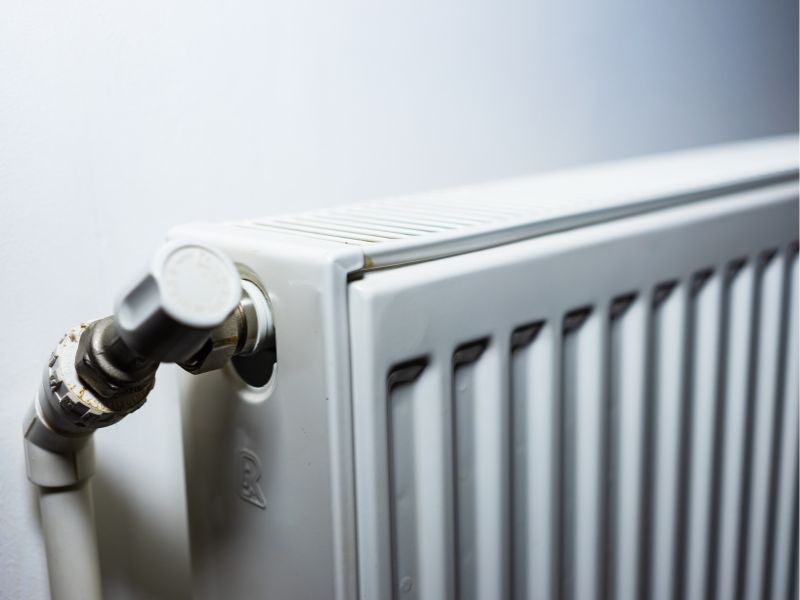
At their core, central heating radiators act as heat exchangers. Hot water from your boiler or heat pump circulates through the unit, warming the metal structure via two primary methods:
- Radiant Heat: Warms objects, furniture, and surfaces directly in front of the unit.
- Convection Currents: Pull cool air from the floor, warm it over internal fins, and circulate it back into the room.
To maximize performance, modern units feature internal corrugated metal sheets called convector fins. A convector radiator increases surface area for heat transfer without expanding the outer footprint of the panel, making it a highly popular choice for efficient heating in modern homes.
The Main Types of Radiators Explained
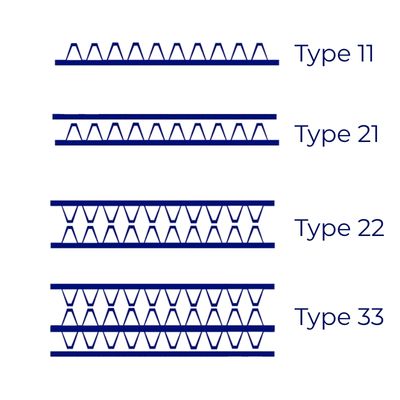
When comparing panel radiator types, you will frequently see two-digit numbers like type 11, type 21, type 22, and type 33 radiators. These numbers explain the internal build:
- First digit: The number of water-filled radiator panels.
- Second digit: The number of rows of convector fin sets welded inside.
Type 11 Radiators
(Single Panel, Single Convector)
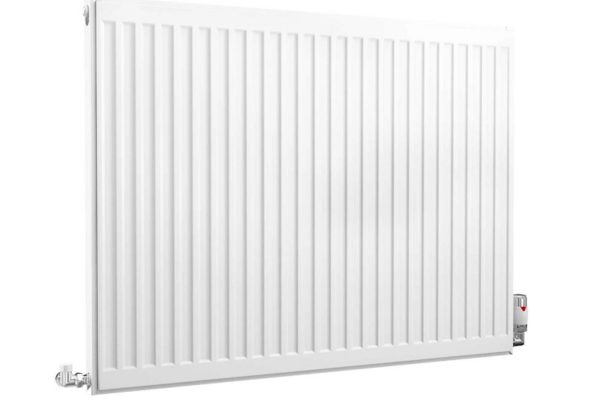
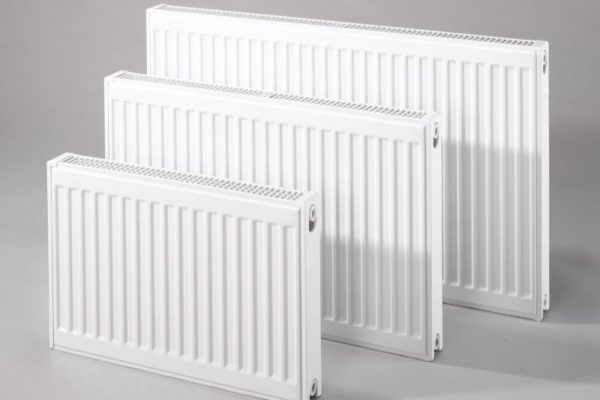
Type 11 radiators consist of a single front panel and one set of convector fins. Because a single panel radiator features only one water plate, it maintains an extremely slim profile, ideal for narrow hallways, small cloakrooms, or tight spaces behind doors.
Type 21 Radiators
(Double Panel, Single Convector)
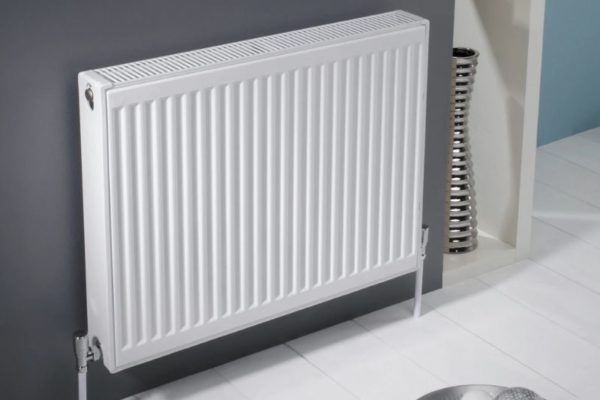
A type 21 radiator features two outer panels with a single set of convector fins between them. This offers a slimmer profile than a full double-convector unit while yielding noticeably more warmth than a single panel radiator.
Type 22 Radiators
(Double Panel, Double Convector)
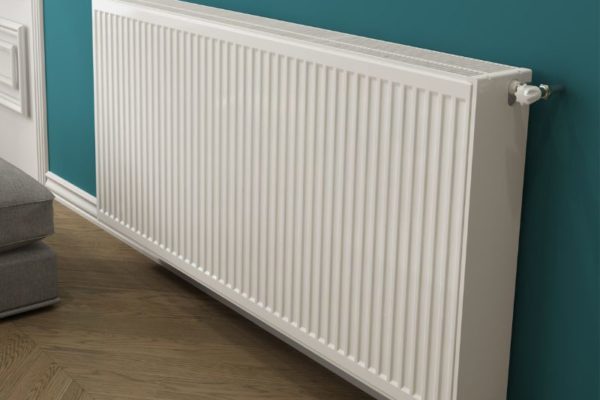
Type 22 radiators feature two water panels and two sets of internal convector fins. They represent the standard choice for most modern living rooms, primary bedrooms, and open-plan spaces, delivering substantial heat without taking up excessive wall length.
Type 33 Radiators
(Triple Panel, Triple Convector)
Type 33 radiators offer three panels and three sets of convector fins. Designed specifically for larger rooms, high-ceiling spaces, or areas with high heat loss, they yield maximum heat output when wall width is restricted.
Type 21 vs Type 22 Radiator: Key Differences
Choosing between a type 21 vs type 22 radiator comes down to balancing depth constraints against required heat output:
- Heat Output: Type 22 radiators produce roughly 20% to 30% more heat than a type 21 radiator of the same dimensions.
- Wall Depth: Type 21 units sit closer to the wall for tight walkways.
- Energy Efficiency: Type 22 models warm up larger rooms much faster, allowing your thermostat to satisfy setpoints sooner.
Exploring Other Distinct Radiator Types
Beyond standard panel designs, several distinct types of radiators match specific architectural styles:
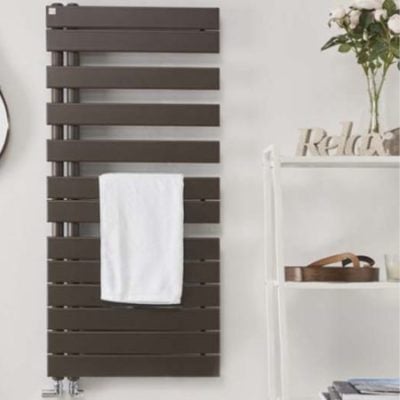
Designer and Vertical Radiators
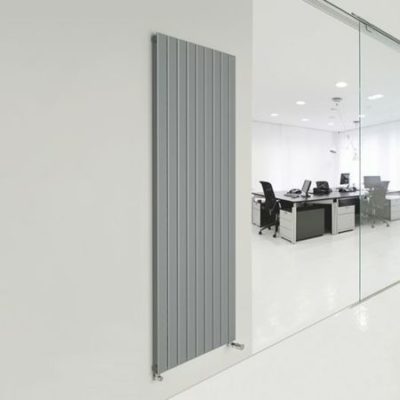
Available in bold finishes, turning standard heating into an architectural focal point. Tall, wall-mounted units that utilize vertical space rather than horizontal length.
Electric Radiators
Operate independently of the main boiler system for homes without a gas connection or for single room extensions.
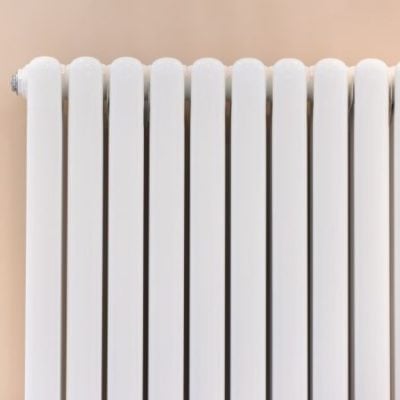
Column Radiators
Feature tubular vertical columns that suit traditional or industrial decor and hold heat exceptionally well.
Looking for Designer Radiators?
As proud stockists of Zehnder central heating and electric radiators, our expert team is here to help you select the ideal model, size, and output for your heating project.
Drop into your local Turnbull showroom for friendly, tailored advice.
Radiator Sizes and Standard Dimensions
Choosing the correct radiator size is critical for both aesthetic appeal and practical warmth.
Manufacturers offer standard radiator sizes designed to match typical wall dimensions:
- Heights: Standard heights range from 300mm to 900mm (600mm is most common below windows).
- Widths: Standard widths range from 400mm up to 3000mm in panel designs.
- Depths: Protrusion ranges from 50mm (type 11 radiators) up to 160mm+ (type 33 radiators).
Leave at least 100mm of clearance between the floor and the bottom of the unit, plus 50mm above it for smooth air convection.
Sizing and Output: Why Heat Loss and BTU Ratings Matter
Before buying based solely on physical radiator size, check BTU ratings (British Thermal Units) or kilowatt outputs to match the room’s heat loss (factoring in room dimensions, window glazing, and insulation quality).
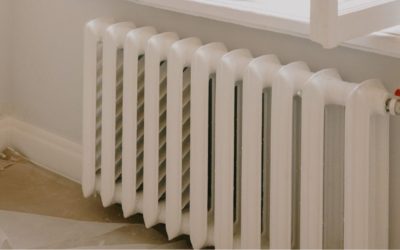
Simply matching your old radiator dimensions isn’t always enough.
Before making a purchase, check out our BTU Calculator guide to determine the BTU ratings and output required for every room in your house.
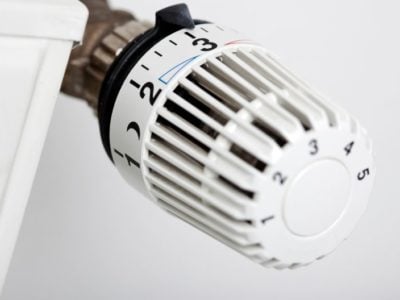
Even the most efficient convector radiator wastes energy if left running uncontrolled.
Check out our step-by-step guide on How to Fit a TRV to upgrade your system control in an afternoon.

Even the best radiators can run into issues where they stay cold at the top, feel cold at the bottom, or fail to heat up entirely.
Read our Troubleshooting Cold Radiator Problems guide to diagnose cold spots and restore full heat output
Looking for Type 11 and Type 22 radiators?
Browse our range online
Kartell K-Rad and Purmo radiators can be ordered online at your convenience, with free local delivery.