




Choosing the right valves for your heating system often feels far more complex than it needs to be.
With an overwhelming variety of shapes, mechanical styles, and smart home tech options on the market, it is easy to get stuck on the details.
Whether you are replacing an old radiator, renovating a bathroom towel rail, or upgrading your home central heating system to lower monthly energy bill costs, understanding different types of radiator valves ensures your heating runs efficiently and stays safe.
This guide breaks down the primary valve types and pipe fitting shapes to help you select the ideal setup for your home.
Estimated reading time: 3.5 minutes
What Do Radiator Valves Actually Do?
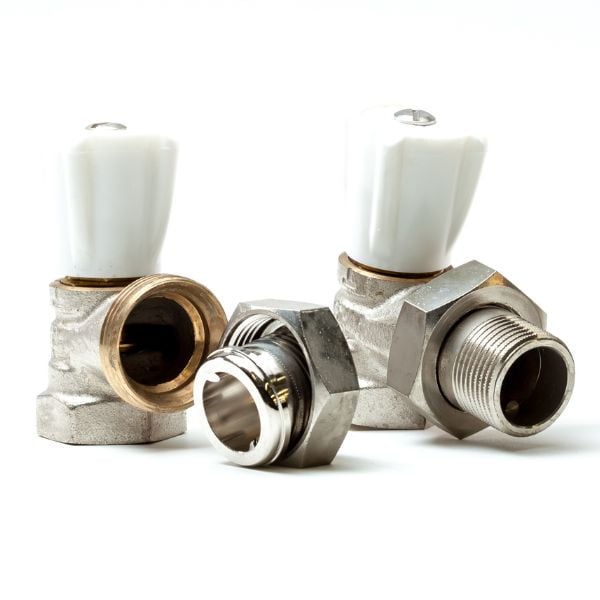
Every standard central heating radiator requires two separate valves to operate correctly: one on the flow pipe (where hot water enters) and one on the return pipe (where water exits back toward the boiler).
While they might look similar from the outside, they handle completely different tasks:
- The Control Valve: Sits on the entry side and allows you to control the flow of hot water to adjust or shut off heat output manually, automatically, or digitally for individual radiators.
- The Lockshield Valve: Sits on the return side and remains covered. A radiator lockshield valve regulates system water flow balance so that every radiator in your home warms up at the same rate.
Without both components working in tandem, a home heating system often suffers from cold spots, noisy pipes, or wasted energy.
Lockshield Valves: The Essential Partner
When shopping for plumbing hardware, you will frequently come across the term lockshield valve.
What is a lockshield valve, and why is it important?
A radiator lockshield is installed on the return side of the radiator assembly. It features a smooth, tamper-proof plastic cap secured with a screw, hiding an internal spindle that requires a spanner or radiator key to adjust.
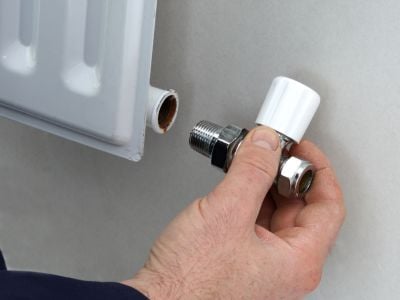
Without a lockshield to restrict flow on radiators closest to your boiler, those nearby units would absorb all the hot water, leaving radiators further down the line cold or slow to warm up.
During installation or commissioning, a plumber adjusts the lockshield on every radiator across the home, creating equal resistance across the entire pipe network so every room heats up evenly.
The Main Types of Radiator Valves
Understanding how each control mechanism functions makes it simple to choose the best option for every room in your house.
Manual Radiator Valves
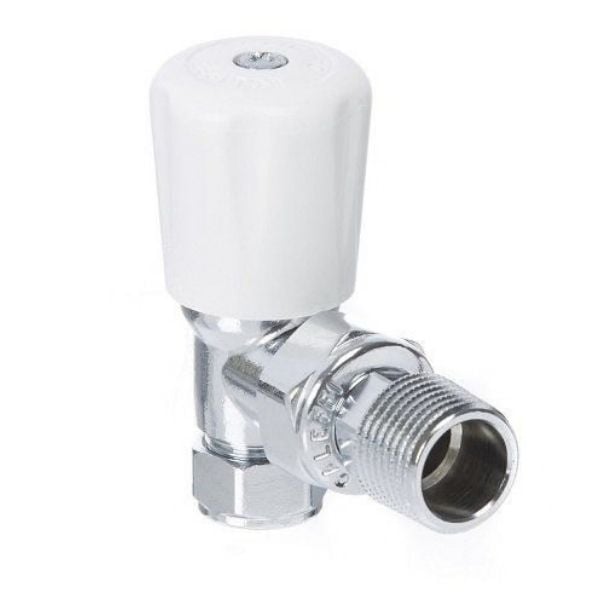
A manual valve represents the most traditional radiator valve design. It operates on the same basic principle as a standard kitchen tap. Turning the top handle alters water flow through mechanical thread movement.
How it works: Turning the top of the valve physically raises or lowers an internal jumper plug. As the mechanism opens the valve, it permits more hot water into the radiator panel; tightening it down restricts or cuts off the supply.
Pros and Cons: Manual options are highly durable, inexpensive, and visually minimalistic. However, they lack temperature sensitivity. They keep letting hot water in regardless of how warm the room becomes until you manually turn them off.
Best applications: Utility rooms, hallways, or secondary spaces where precise temperature management is unnecessary.
Thermostatic Radiator Valves (TRVs)
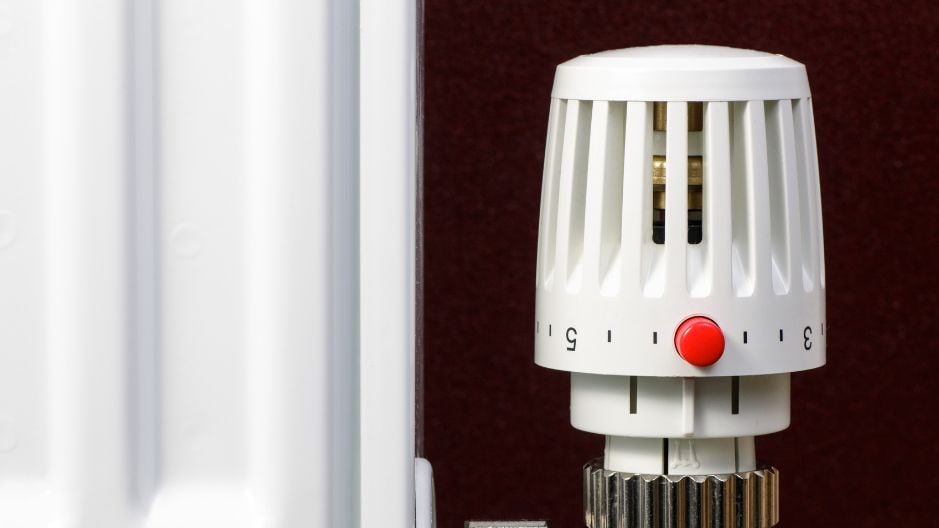
A thermostatic radiator valve (TRV) offers self-regulating temperature control without needing electrical wiring or internet connections.
How does a thermostatic radiator valve work? Inside the upper head, there is a small capsule filled with temperature-sensitive liquid or wax. As the surrounding room air warms up, the capsule expands, pushing a central pin downward to restrict hot water entry. When the air cools, the capsule contracts, a spring lifts the pin, and hot water flows again.
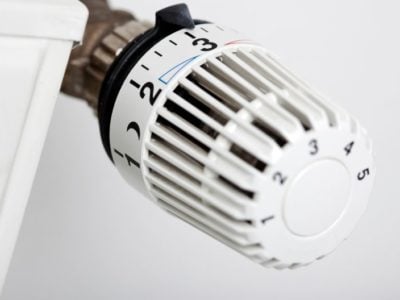
Temperature settings: Most TRV valve heads feature numbered dials (typically 0 to 5, corresponding roughly to temperature ranges between 7°C and 28°C) rather than precise degree markers.
Plumbing best practice: You should pair a TRV and lockshield valve together on every standard radiator. Note that you should not fit a TRV in the same room as your main wall thermostat, as the two systems will fight for control over the boiler.
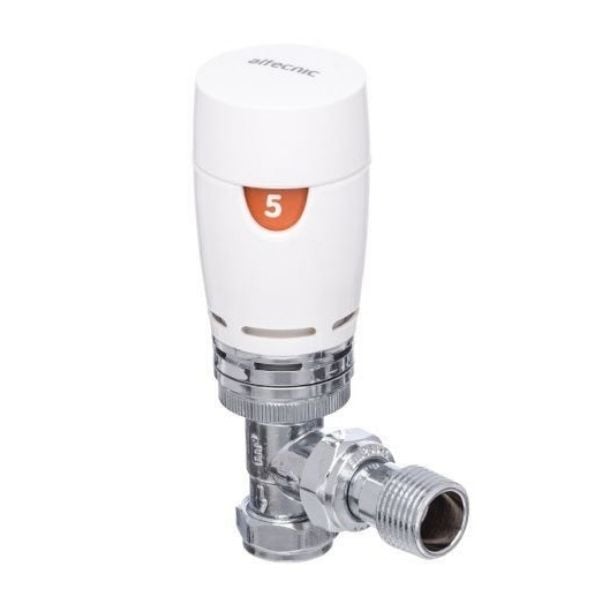
Bi-directional Flow: Modern TRVs feature bi-directional valve bodies, meaning water can flow through them in either direction without causing noisy “water hammer” vibrations. If you are fitting an older or vintage TRV, check the flow direction arrow stamped into the metal body to ensure correct placement on the supply pipe.
Best applications: Bedrooms, living rooms, and frequently occupied spaces.
Smart Radiator Valves
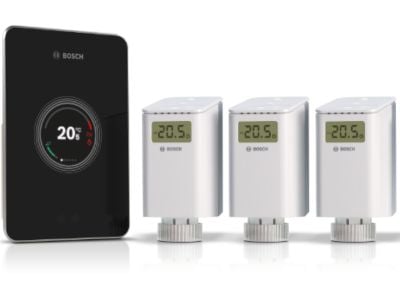
A smart radiator valve takes the core mechanics of a TRV and upgrades the control head with digital sensors and motorized pin actuators.
How do smart radiator valves work? Modern smart thermostatic radiator valves use a small electric motor to move the internal valve pin instead of expanding wax. Installing a smart trv setup allows the device to connect via Wi-Fi to a central hub or smartphone app. This enables precision monitoring, automated schedule setting, open-window detection, and geofencing (turning heat down automatically when you leave home).
Are smart radiator valves worth it? For homes with varied occupancy schedules, multi-story layouts, or high heating bills, yes. They allow you to create individual heating zones so you only warm the rooms you are actively using.
Best applications: Modern smart homes, home offices, and properties looking to maximize energy efficiency.
Dual Fuel Radiator Valves
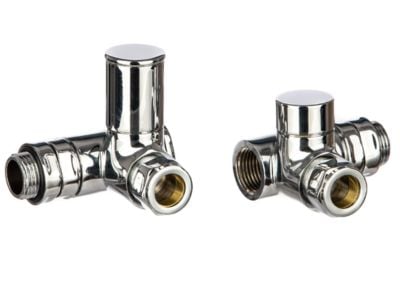
A dual fuel radiator valve is engineered specifically for heated towel rails and designer radiators.
How it works: Dual fuel systems connect to your main central heating pipework while simultaneously accommodating an electric heating element inside the towel rail. The special valve body features a side entry port for central heating water alongside a straight entry point for the electric element.
Why use one? During cold winter months, the unit runs off your main central heating boiler. In warm summer months when the central heating is switched off, you can turn on the electric element independently to dry towels without heating the entire house.
Radiator Valve Shapes
Selecting the correct physical valve shape depends entirely on your pipework orientation relative to the entry ports on your radiator.
Angled Radiator Valves
Angled valves make a clean 90-degree turn. They are the most common style in standard installations where central heating pipes come up through floorboards to join horizontal connections on the lower sides of a radiator.
Right-angle models function identically to straight valves, providing a clean turn around tight skirting boards.
Straight Radiator Valves
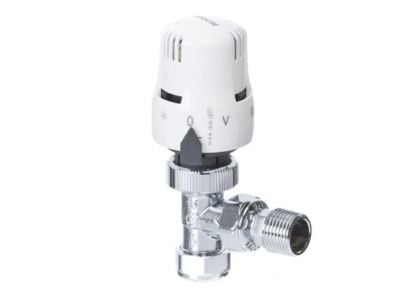
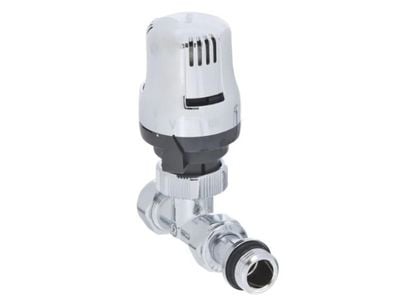
Using straight valves allows water to pass straight through without changing direction. Use these when your pipework runs parallel to the radiator connection, most notably when pipes emerge vertically from the floor to meet bottom-entry ports on modern column radiators or towel rails.
Corner Radiator Valves
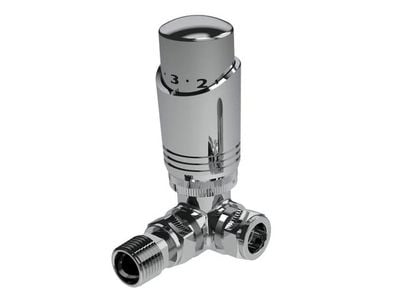
Corner valves (sometimes called double-angled valves) are designed specifically for pipes coming horizontally out of a finished wall to meet side connections on a radiator.
While a standard angled valve in this position forces the control head to project outward into the room (creating a tripping hazard), a corner valve keeps the control head pointing neatly upward or running parallel to the wall surface for a clean, flush appearance.
Related Blogs

Ready to take control over your heating?
Browse our online selection of radiator valves
We offer free local delivery within 20 miles of our branches throughout Lincolnshire and Nottinghamshire.