




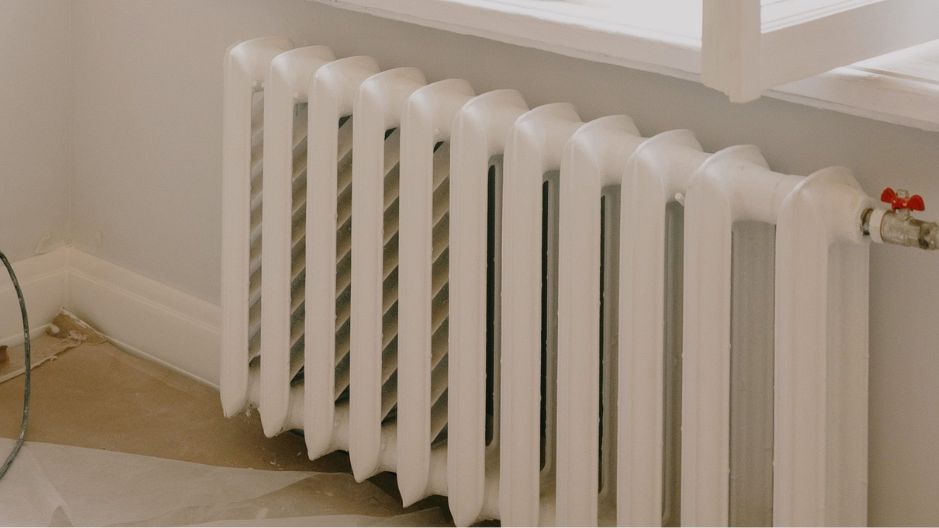
Choosing a new radiator for your home isn’t just about picking a design that looks great on your wall.
The single most important factor when selecting a radiator is making sure it delivers the right amount of heat to keep your room warm and comfortable without wasting energy.
If you are wondering what size radiator you need or how to convert BTU to watts, this guide breaks down everything you need to know about your heating system.
Estimated reading time: 3.5 minutes
Photo by Ksenia Chernaya on Pexels
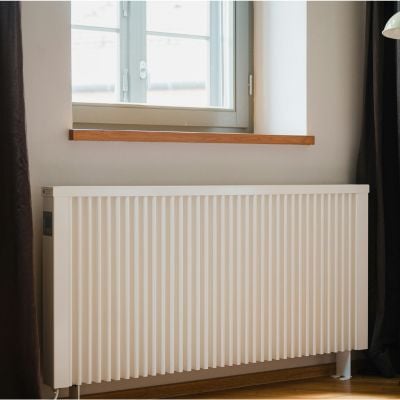
Why BTU Matters When Selecting a Radiator
BTU stands for British Thermal Unit. It measures the heat energy required to raise the temperature of one pound of water by one degree Fahrenheit. The BTU rating tells you how much heat output a radiator produces per hour to offset overall heat loss.
Getting your heat output calculation right ensures:
- Comfort: No cold spots during freezing winter months.
- Energy Efficiency: An undersized radiator works continuously without reaching the target room temperature, while an oversized radiator can waste energy.
- Lower Fuel Bills: Balanced heating keeps boiler and heat pump systems working in their sweet spot.
How to Calculate BTU for a Room: Step-by-Step
To calculate the required BTU rating for a room, follow this straightforward process:
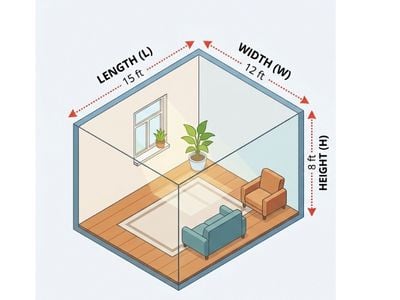
1. Measure the Room Volume
Calculate the total volume using your room dimensions in cubic feet:
Length (ft) × Width (ft) × Height (ft) = Total Volume (cu ft)
2. Apply the Base Heating Factor
Multiply the total volume by the base factor for your specific room type. Higher factors account for rooms where occupants sit still or exposed spaces prone to draughts:
Storage Rooms, Walk-In Closets and Kitchens
Factor 3
Storage rooms need minimal background heat to prevent dampness and frost.
Kitchens require a lower base output because appliances generate ambient heat.
Bedrooms
Factor 4
Aimed at a target room temperature of 18°C (64°F) for comfortable sleeping.

Living Rooms, Dining Rooms and Home Offices
Factor 5
Target room temperature around 21°C (70°F) where occupants are seated and inactive.

Hallways, Corridors and Landings
Factor 5
Requires higher heat to counter frequent draughts from front doors and open staircases.
Bathrooms and En-Suites
Factor 6
Target room temperature around 22–23°C (72–73°F) for maximum comfort when stepping out of the shower or bath.
Conservatories and Sunrooms
Factor 6 to 7
Large glass areas lose heat rapidly, requiring maximum output.
3. Adjust for Room Insulation & Features
Adjust your baseline estimate based on room conditions that impact heat loss:
Double Glazed Windows
Single Glazed Windows
External Walls
North-Facing Rooms
Poor Insulation
French Doors or Large Glass Areas
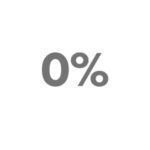


Standard double glazed windows are already factored into the base calculations, so no adjustment (0%) is needed.
Add 10% for every single-glazed window, as single glass loses significantly more heat.
Add 10% for every exterior-facing wall.
Add 10% for colder sun exposure.
Add 15% if the room lacks cavity wall insulation, solid brick walls, or has less than 100mm loft insulation.
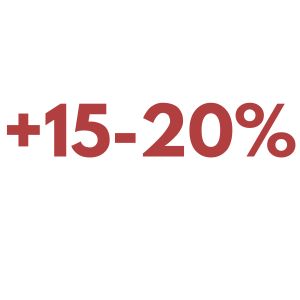
Add 15–20% to cover extra heat loss through large glass panels and frame seals.
The Complete BTU Formula at a Glance
Putting Steps 1 through 3 all together gives you the complete equation for calculating any room’s heating requirements:
(Length ft x width ft x height ft) x Room Base Factor + Feature Adjustments (%) = BTU Output
For example, a small bedroom measuring 10ft × 10ft × 8ft, with one single-glazed window and one external wall, and good roof insulation:
Calculate Volume: 10ft × 10ft × 8ft = 800 cu ft
Apply Base Factor: 800 cu ft × 4 (Bedroom Factor) = 3,200 BTU baseline
Add Feature Adjustments: 3,200 BTU + 20% (for window and external wall) = 3,840 BTU
Final Heating Requirement: 3,840 BTU (or approx. 1,125 Watts)
Quick Radiator BTU Chart
Need a quick baseline before adding adjustments for windows, walls, and insulation?
Use the table below to estimate the required amount of heat.
Room Type
Small bathroom
Small bedroom
Medium bedroom
Small Living Room
Large Living Room
Average room dimensions (ft)
10 x 10 x 8
10 x 10 x 8
12 x 12 x 8
12 x 14 x 8
15 x 20 x 8
Estimated BTU Rating needed
2,400
3,200
4,608
7,840
12,000
Disclaimer: The formulas, estimations, and BTU charts provided in this article serve as a general guide for estimation purposes only. Environmental factors, boiler flow temperatures, and specific building construction details can alter heating demands and affect the heating the room requires.
Always consult a qualified heating engineer or plumbing professional before purchasing or installing new heating equipment to confirm exact room and heating requirements.
Frequently Asked Questions
How to Convert BTU to Watts?
Converting between the two units is straightforward:
BTU to Watts: Divide BTU by 3.412
(Example: 4,000 BTU ÷ 3.412 = 1,172 Watts)
Watts to BTU: Multiply Watts by 3.412
(Example: 1,500 Watts × 3.412 = 5,118 BTU)
Can I install two smaller radiators instead of one large one?
Yes. In large or long rooms, splitting your required BTU total between two smaller radiators often provides much better distribution for the overall amount of heat than installing one single high-output radiator.
What happens if I buy an oversized radiator?
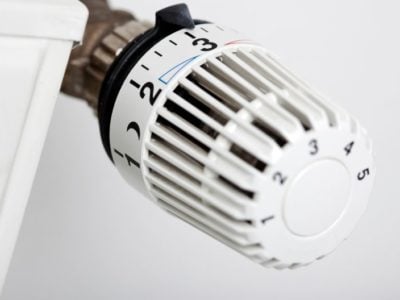
Installing a slightly larger radiator than strictly necessary is generally fine if you fit a Thermostatic Radiator Valve (TRV) to maintain your desired room temperature. The TRV automatically reduces hot water flow once the room reaches your set temperature.
Do heat pumps require different BTU calculations?
Heat pumps run at lower flow temperatures than gas boilers. When selecting a radiator for a heat pump heating system, you need larger radiators (or higher Delta 30 ratings) to deliver the same warmth to the room and overcome natural heat loss, even in well-insulated rooms with double glazed windows.
Related Blogs
Planning your next plumbing and heating project?
Browse our online range of radiators and valves to get reliable warmth delivered to your door