




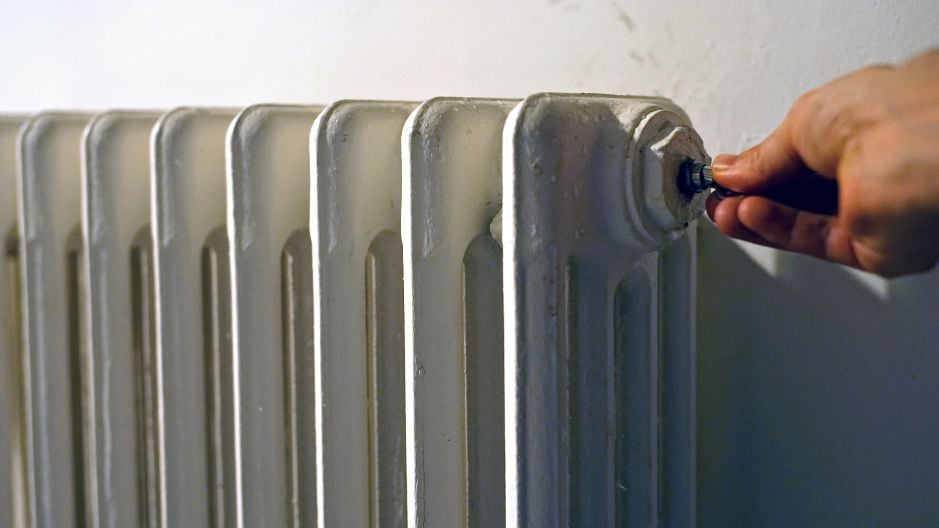
Bleeding a radiator is one of the quickest, most effective DIY jobs you can do to ensure your heating unit can work properly.
Over time, air gets trapped inside your central heating system. Because air rises, it settles at the top of your radiators, preventing hot water from filling them completely.
If your radiators have cold patches at the top while remaining warm at the bottom, trapped air is almost certainly the culprit.
Estimated reading time: 4 minutes
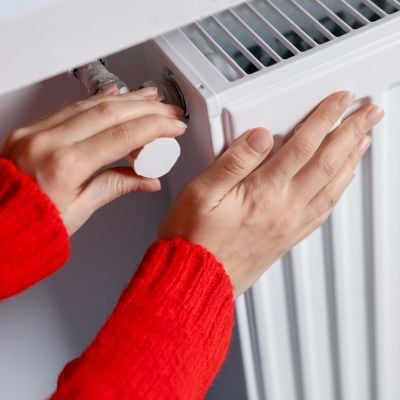
When and How Often to Bleed Radiators
You do not need to bleed your radiators on a daily or weekly basis, but keeping an eye out for specific warning signs will save you money and keep your home warm.
- When to bleed: Bleed your radiators if you feel cold spots at the top, hear gurgling or clunking sounds when the heating turns on, or notice that your home takes much longer to heat up than usual.
- How often to bleed: It is good practice to bleed your radiators once a year, ideally in autumn right before you start turning the heating on regularly for winter.
- After maintenance: You should also bleed your radiators anytime work has been carried out on your boiler, pipework, or after draining the heating system.
Do You Bleed Radiators Hot or Cold?
One of the most critical questions homeowners ask is: can you bleed a radiator when the heating is on?
The answer is a strict no. You must always bleed radiators when they are cold and the heating system is completely turned off.
- Safety risk: Bleeding a hot radiator puts you at risk of scalding yourself with boiling water or hot steam escaping under pressure.
- System efficiency: When the central heating pump is actively running, it circulates water through the system. Bleeding a radiator while the pump is running can actually draw more air into the system rather than releasing it.
- Accurate assessment: Turning off the system lets the air settle at the very top of each unit, allowing you to vent it efficiently.
Essential Tools You Will Need
Before starting, gather a few basic items to make the job quick and mess-free:
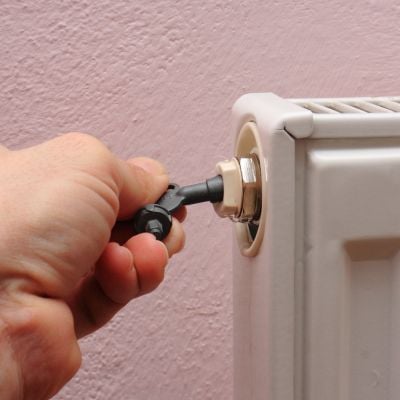
- Radiator bleed key: A standard metal key designed to fit into the square stem of a radiator bleed valve. If you do not have one, a flat-head screwdriver works on many modern radiators.
- Absorbent cloth or rag: To catch any water drips and turn the key comfortably.
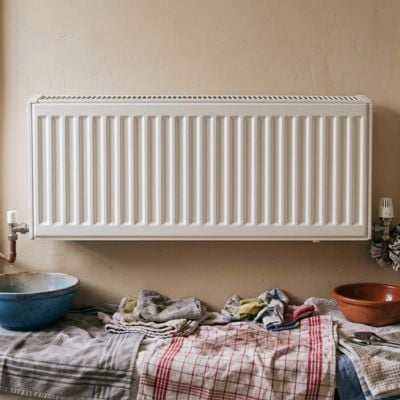
- Small bowl or container: Positioned under the valve to catch excess water once the air escapes.
- Old towels: Placed on the floor directly beneath the radiator valves to protect your flooring or carpets from dirty system water.
Step-by-Step Guide: How to Bleed a Radiator
Follow these simple steps to bleed your radiators safely and effectively.
- Turn on the heating to inspect:
Turn your central heating on high and wait for all radiators to warm up.
Carefully feel each radiator from bottom to top to identify which ones have cold patches or make gurgling noises. - Turn off the heating and let it cool:
Switch off your central heating completely and wait at least 30 to 45 minutes for your radiators to cool until they are entirely cold to the touch. - Locate the radiator bleed valve:
Look at the top side corner of the radiator.
You will find a small round fitting with a square valve stem inside it. - Prepare for water drips:
Place your towel on the floor beneath the valve and hold your small container or rag directly under the bleed valve. - Open the bleed valve:
Insert your radiator bleed key into the valve stem.
Turn it slowly counter-clockwise (anti-clockwise), usually between a quarter to half a turn.
You should immediately hear a hissing sound, which is the trapped air escaping. - Wait for water to appear:
Hold the key steady while the air vents out.
As soon as the hissing stops, a steady trickle of water will follow. - Close the valve securely:
When water starts trickling out consistently without sputtering air, turn the key clockwise to close the valve stem tightly.
Do not overtighten it, as this can damage the internal valve thread. - Check the boiler pressure:
Go to your central heating boiler and check the pressure gauge.
Releasing trapped air can cause system pressure to drop.
If the reading falls below the recommended range (typically between 1.0 and 1.5 bar when cold), you will need to top up the pressure using your boiler’s filling loop. - Test the heating system:
Turn your heating system back on and let it warm up.
Feel the radiators again to ensure heat is distributing evenly all the way to the top so your system can work properly.
Troubleshooting Common Problems
If your radiators still stay cold after bleeding them, or if no air or water comes out when you open the valve, you may be facing a secondary issue.
No air or water comes out
The bleed valve opening might be blocked with rust or mineral debris. Try carefully turning off the inlet valves at both ends of the radiator, removing the bleed screw entirely, and clearing the tiny hole with a pin or needle before replacing it.
The radiator stays cold at the bottom
Cold spots at the bottom indicate radiator sludge, rust, and debris buildup rather than trapped air. In this case, the radiator needs to be flushed out manually or cleaned via a professional power flush.
Frequent need to bleed
If you find yourself having to bleed radiators every few weeks, there may be a leak in your system, a failing expansion vessel, or severe internal corrosion producing hydrogen gas. You should consult a qualified heating engineer to inspect the system.
Regularly checking and bleeding your radiator heating ensures your central heating can work properly, reduces boiler strain, and keeps your living spaces warm throughout the coldest months of the year.
Related Blogs
Get Everything You Need for Your Heating Maintenance
Don’t let cold spots ruin your winter comfort.
Pick up durable radiator maintenance supplies and professional heating tools online or in-store today.