




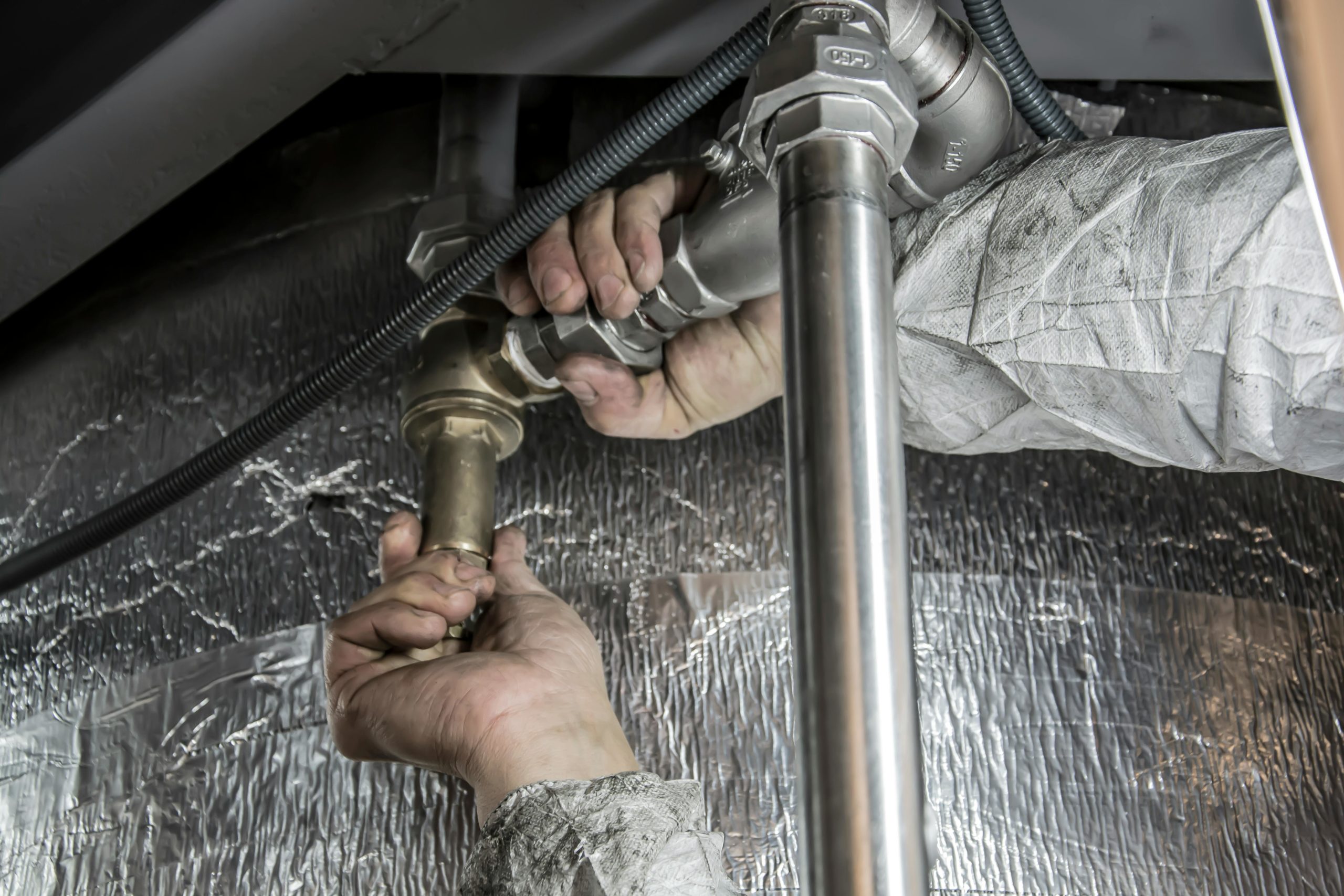
Have you taken the necessary steps to safeguard your pipework against costly winter freeze damage?
Discover how to protect your plumbing system and prevent costly damage.
Learn simple ways to reduce the risk of frozen pipes and keep your property ready for cold weather.
Estimated reading time: 4 minutes
Photo by Anil Karakaya on Pexels
Why Are Frozen Pipes a Problem?
As water freezes, its volume expands by up to 9%, generating significant force. Inside a sealed pipe, that expansion creates intense pressure that can easily cause a burst pipe.
Once the ice thaws, severe water damage often follows.
Frozen pipes are especially common in:
Key Points:
- Lofts and roof voids
- Unheated garages or basements
- Outdoor pipework and garden taps
- Utility rooms or extensions with poor insulation
- Holiday homes and unoccupied buildings
The first signs of trouble are usually subtle: slow taps, reduced flow, or no water at all. Preventative action is vastly easier and cheaper than dealing with property repairs.
Simply insulate exposed pipework early and control the amount of water resting in vulnerable areas.
Tips to Prevent Frozen Pipes
Insulate All Exposed Pipework
Proper insulation is your best line of defense. Pipe lagging traps heat, keeps cold air out, and plays a major role in reducing heat loss.
Focus on these key areas:
- Lofts and attics: Lag all visible pipework and cold water tanks.
- Garages and outhouses: Insulate supply pipes passing through unheated spaces.
- Underfloor areas: Fit insulation to any pipework located in crawl spaces and subfloor voids.
- Outdoor taps: Protect exposed runs that can freeze quickly.
Top Tip: Make sure your lagging fits snugly with no gaps. Even a tiny uninsulated joint can freeze and block your plumbing.
Looking to buy pipe insulation online?
Our range including standard polyethylene, high-performance foam, and pre-slit options for quick installation.
Install Frost Protection and Thermostatic Controls
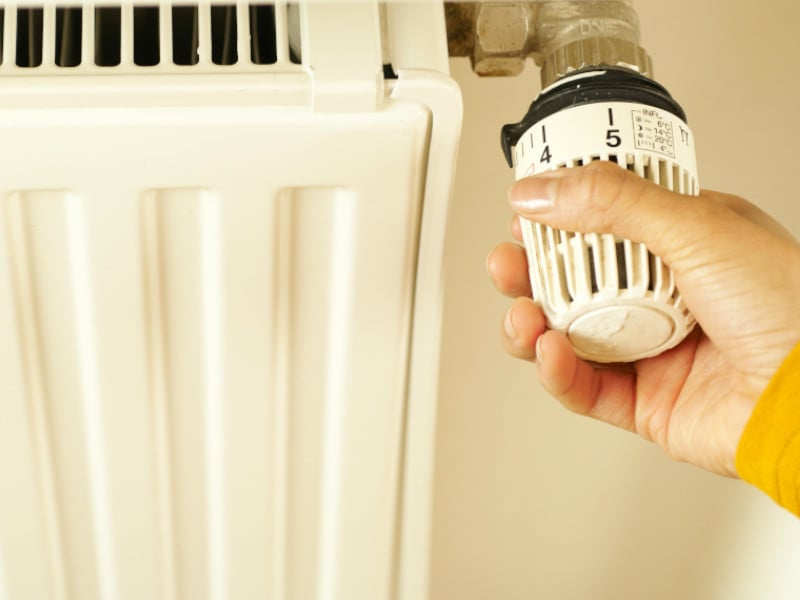
Even good insulation needs extra help in sub-zero temperatures. Automatic controls give your heating systems a reliable backup safeguard.
When temperatures drop, these devices activate automatically to keep hot and cold water flowing safely through your pipes:
- Thermostatic radiator valves (TRVs): Maintain steady background heat in every room.
- Pipe thermostats: Protect crucial areas like loft tanks.
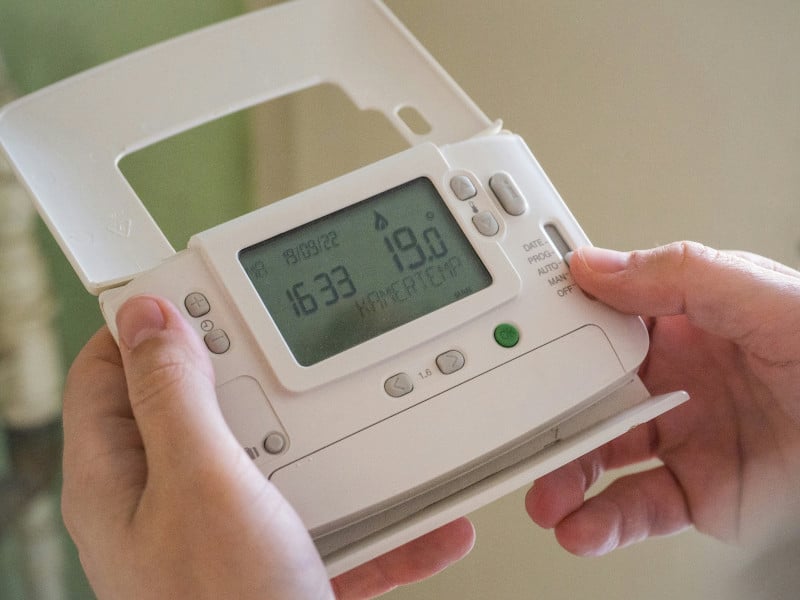
- Smart heating controls: Manage your hot water systems remotely from your phone.
Maintain a Consistent Indoor Temperature
Turning your heating completely off while away is a common mistake that often leads to frozen pipes. During cold spells, keep your thermostat set to at least 12–15°C. This maintains background heat to protect hidden pipes under floors, inside walls, or behind appliances like washing machines.
For unoccupied properties:
- Leave cabinet doors open under the kitchen sink so warm air can circulate around the plumbing.
- Use a frost protection heater in outbuildings.
- Drain the system down so no standing water can prevent water flow by freezing inside the lines.
Don’t Forget Outdoor Taps and External Plumbing
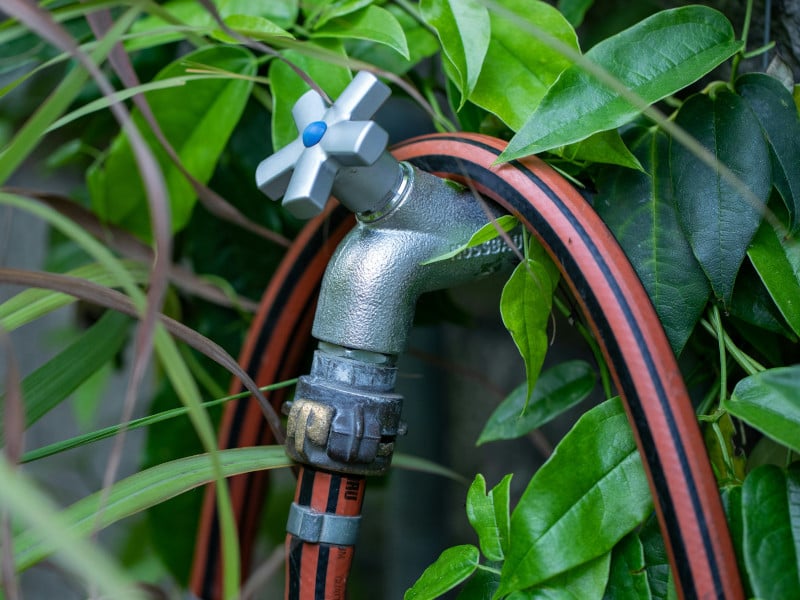
Freezing temperatures hit external pipework first because these lines have no protection from the weather.
Before winter arrives:
- Disconnect hoses and drain them completely so standing waste water cannot freeze inside.
- Fit insulated tap covers or frost jackets over outdoor fixtures.
- Cover exposed runs with durable outdoor pipe lagging.
Regularly Check for Vulnerable Spots
Cold spots can develop over time, even in well-insulated homes.
Before the first hard frost:
- Walk around your property and check where water flows through uninsulated areas.
- Inspect existing lagging for wear, tears, or compression.
- Feel for cold draughts around walls where pipes enter the building.
Fixing worn insulation and sealing small gaps will protect your home over the long term.
While preparing for winter, it is also a good idea to check that older valves and fittings are still in good working order. Stocking up on quality plumbing supplies allows you to fix minor issues early.
This is a highly cost effective way to prevent sudden emergencies.
Finally, consider the types of water running through your home.
If you live in a hard water area, switching to soft water can prevent limescale buildup and keep your pipes clear.
Discover more information about limescale prevention in our dedicated guide to water softeners and salt.
What Do I Do If My Pipes Freeze?
If a sudden cold snap freezes your pipes despite your preparations, quick action can prevent major damage:
- Turn off your main water supply at the stopcock immediately.
- Open nearby taps to relieve built-up pressure inside the system.
- Warm the frozen section gently using a hairdryer, warm towel, or space heater (never use an open flame).
- Inspect all visible pipework thoroughly for leaks as the ice thaws. Keeping a plumbing repair kit on hand allows you to address minor drips immediately.
However, if you discover severe cracks, contact a certified plumber without delay.
Speak with our trade specialists at your nearest Turnbull branch.
We supply expert advice alongside quality plumbing supplies to keep your heating and pipework safe all winter.