




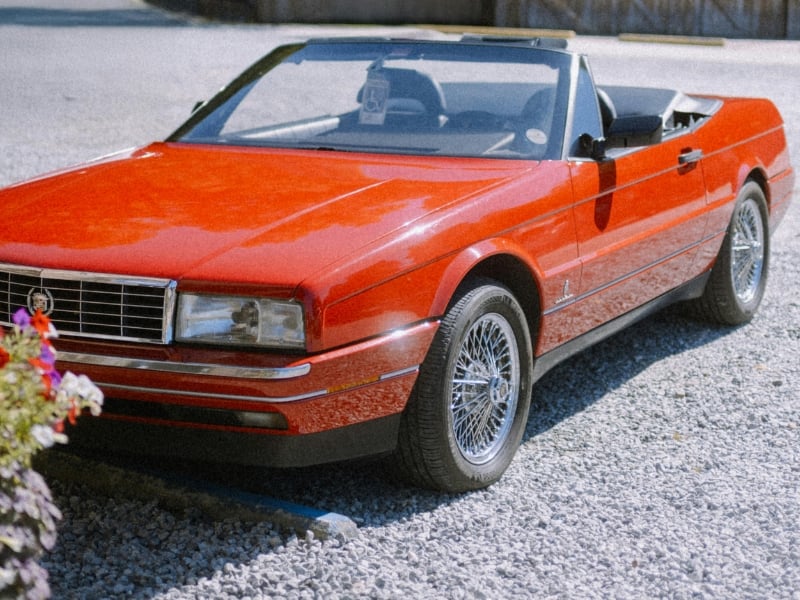
Choosing a gravel for your driveway affects three key things.
It impacts curb appeal, durability under the weight of vehicles, and top-up frequency.
A gravel driveway is cost-effective and visually attractive. However, picking the wrong gravel size, stone shape, or sub-base material causes deep ruts, shifting stones, and constant weeds.
This guide covers ideal aggregate sizes, sub-base setup, and simple steps to build a long-lasting gravel drive.
Estimated reading time: 4 minutes
Photo by Tolga Ahmetler on Pexels
Size and Shape Matter
When selecting driveway gravel, two factors dictate performance: particle size and particle shape.
Particle Shape: Angular vs. Rounded
Angular Aggregates (Best): Materials like granite, basalt, or limestone feature sharp, jagged edges. When driven over, these flat faces interlock under pressure, forming a firm, stable surface that resists shifting.
Rounded Aggregates (Avoid for Drives): Materials like sea-washed gravel or smooth river pebbles act like marble ball bearings. Without flat edges to interlock, rounded stones constantly roll under tires. This creates deep ruts and spreads gravel onto lawns.
Stone Size: Why 20mm is the Gold Standard
- 10mm Gravel: Generally unsuitable for residential driveways. These smaller sizes lodge in tire treads and track indoors. They also shift easily under the weight of vehicles. Reserve them for footpaths or decorative borders.
- 20mm Gravel: The ideal gravel size for vehicle driveways. The stones remain clear of tire treads while providing a comfortable walking surface.
- 30mm+ Aggregates: Larger cobbles create an uneven, uncomfortable walking surface and do not compact cleanly under tire pressure.
Types of Gravel for Driveways
20mm Gravel
20mm gravel offers optimal performance and durability for vehicle driveways. The aggregate size stays securely in place under vehicle weight while providing an attractive, level surface.
It works well across all driveway types, from family cars to heavier vehicles when laid over a solid base layer. Using a gravel grid can further improve stability and reduce the risk of stones moving.

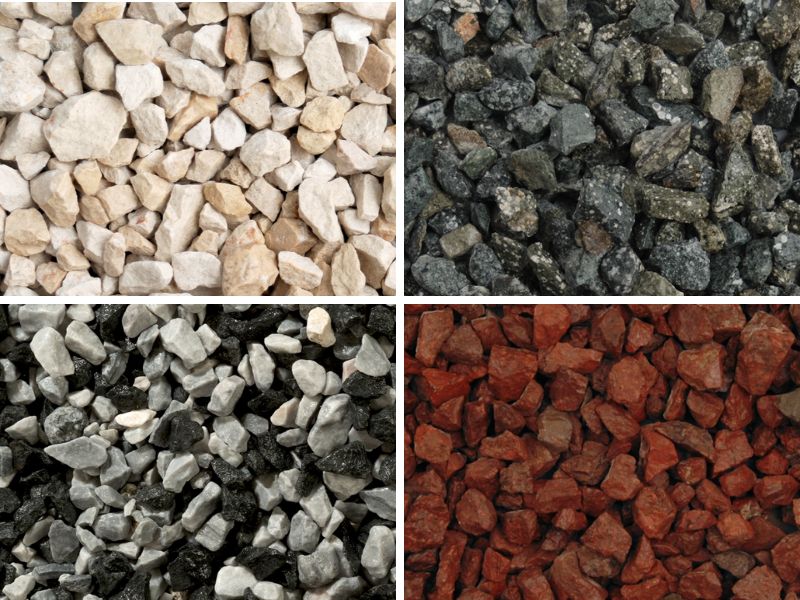
Our most popular decorative gravels for driveways:
Cotswold Gravel (top left), Green Granite (top right),
Black Ice Gravel (bottom left) and Red Granite (bottom right).
Decorative Gravel
Decorative gravel covers a wide range of colours, shapes, and finishes. It is ideal if you want a driveway that looks stylish while still performing well.
Decorative gravel works best when combined with a solid base and, for smaller or rounded stones, a gravel grid. This keeps the stones in place and reduces ongoing maintenance.
Pea Gravel and Pea Shingle
Pea gravel, also called pea shingle, has smooth, rounded stones. People often use it as garden gravel or for landscaping.
You can use it on driveways with light vehicle use, but the stones can move more easily and likely to get caught in tyre treads.
We recommend using 10mm pea gravel as a top layer only or installing it with a gravel grid. This keeps the stones in place and maintains a neat, decorative finish.
Golden Gravel
Golden gravel is known for its warm, attractive colour. While popular for decorative landscaping, it works equally well on driveways.
Golden gravel requires a strong base layer and driveway edging to last. This keeps the surface tidy and prevents spreading.
Sub-Base Preparation: The Key to Structural Integrity
The aggregate surface is only as stable as what lies beneath it. Laying gravel directly onto soil or sand will lead to sinkage within months.
Excavate the driveway area down to a firm sub-grade soil foundation. Ensure the ground is level and cleared of roots and organic debris.
Lay a heavy-duty non-woven geotextile fabric over the bare soil. This prevents the sub-base aggregate from sinking into the subsoil over time while allowing groundwater to drain through.
Spread MOT Type 1 aggregate (a granular sub-base material ranging from 40mm down to dust). Compact thoroughly in layers using a vibrating plate compactor (wacker plate).
The fine particles lock the larger stones together to form a load-bearing base.
Lay a secondary permeable weed membrane over the compacted MOT Type 1 base to prevent weeds from taking root in the surface gravel.
Spread your chosen 20mm aggregate to a depth of no more than 50mm. Laying gravel too deep (over 50mm) causes vehicles to bog down, creating deep wheel tracks.
How Much Gravel Do You Need?
To ensure consistent coverage without over-ordering, use this standard volumetric formula:
Length (m) x Width (m) x Depth (m) x 1.6 = Tonnage Required
Note: 1.6 is the average bulk density factor (tonnes per cubic meter) for compacted gravel.
Drainage & SuDS Compliance
Under UK Sustainable Drainage System (SuDS) regulations, new or replacement driveways must manage surface water runoff within the property boundary to prevent flooding public sewers.
Gravel is naturally permeable, making it a fully SuDS-compliant choice provided the sub-base is also permeable.
Gravel Stabilization Grids and Inclines
Gravel stabilization grids feature a honeycombed structure that locks aggregate into place. They are essential for:
-
Driveways on an Incline: Slopes over a 1:10 gradient cause loose gravel to migrate downhill under braking and acceleration. Grids prevent downhill creep.
-
Heavy Vehicle Traffic: Grids distribute vehicle wheel loads evenly, preventing rutting from delivery vans, caravans, or heavy SUVs.
-
Using Rounded Stones: If using pea shingle or decorative rounded gravel, grids are mandatory to lock the stones in place.
Looking for cost-effective gravel for your driveway?
Our 20mm Gravel Bulk Bag is available to order online, with free local delivery to your kerbside.